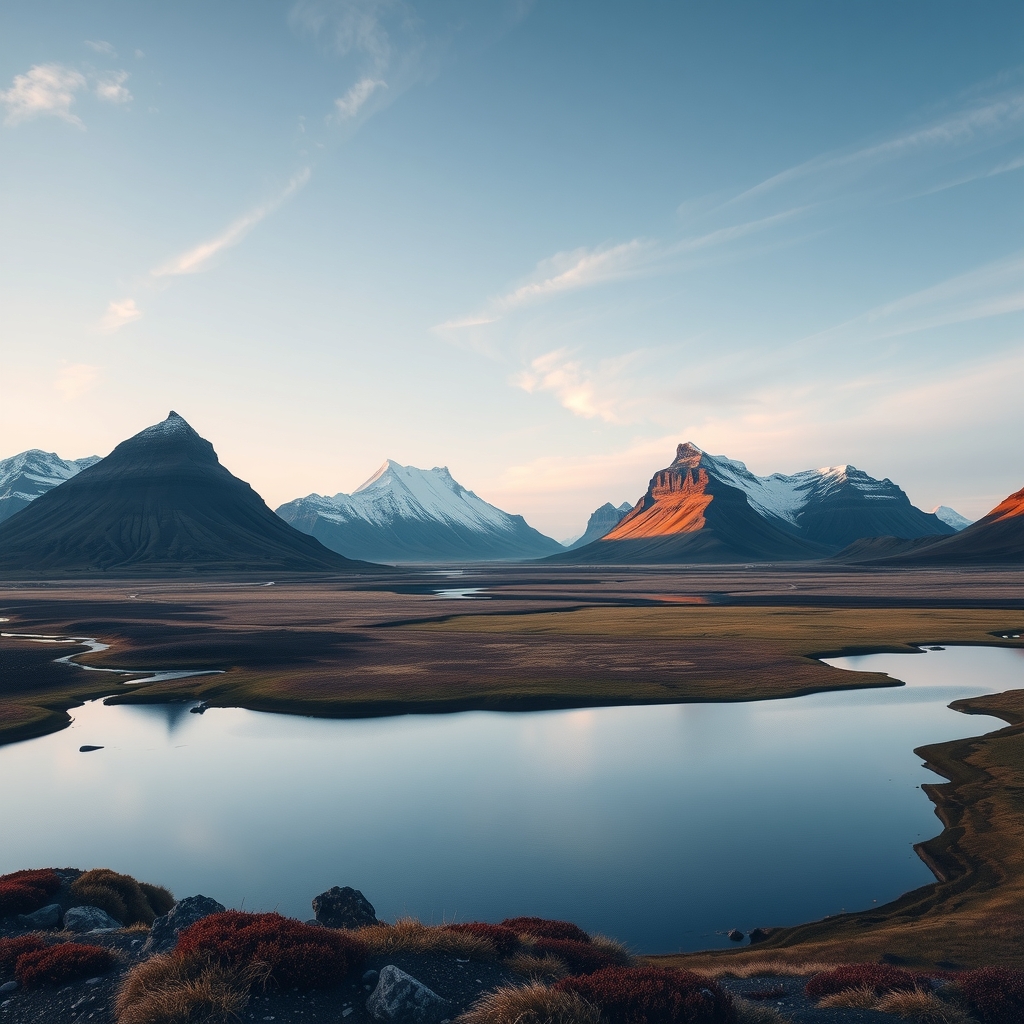
While many visitors to Iceland focus their attention on the capital region and the famous southern coast, the northern territory offers a more tranquil, profound connection to the island's raw geological heritage. Often referred to as the Diamond Circle, this area features volcanic craters, sprawling lava fields, and some of the most impressive whale-watching opportunities in the North Atlantic. Whether you are seeking solitude in the highlands or a cultural immersion in small fishing towns, Northern Iceland provides a distinctive perspective on Arctic life.
Essential Highlights of the North
The region is anchored by Lake Mývatn, a fascinating area shaped by centuries of volcanic activity. Visitors can explore the Dimmuborgir lava formations, where twisted basalt pillars create an otherworldly landscape. Nearby, the Hverir geothermal area displays vibrant orange and yellow sulfur pits that hiss with steam, serving as a reminder of the tectonic forces at play beneath the earth.
Further east, Dettifoss stands as Europe's most powerful waterfall by volume. The sheer force of the glacial water plunging over the edge into the Jökulsárgljúfur canyon is a humbling experience. For those interested in coastal life, the town of Húsavík serves as the epicenter for whale watching, with deep fjords that serve as migratory passages for humpback and minke whales.
Planning and Transportation
The most effective way to navigate Northern Iceland is by renting a vehicle, which provides the flexibility to explore the remote corners of the Ring Road and the peninsulas. During the summer months, the roads are generally accessible, though weather conditions can change abruptly, requiring travelers to monitor local bulletins. In winter, studded tires and a four-wheel-drive vehicle are necessary as snowfall and ice can make driving treacherous.
Alternatively, there are regional flights connecting Reykjavik to Akureyri, the largest town in the north. Akureyri acts as an excellent base of operations, offering a variety of amenities, including galleries, museums, and botanical gardens that thrive in the milder microclimate of the Eyjafjörður fjord.
Etiquette and Practical Considerations
Icelandic nature is fragile, particularly the moss-covered volcanic terrain. It is vital to stay strictly on marked trails to prevent erosion and long-term damage to the vegetation, which takes decades to recover. Additionally, respecting local privacy and property by not driving off-road is a strictly enforced law.
Regarding budget, Iceland is generally considered a higher-cost destination. Travelers can manage expenses by utilizing grocery stores to prepare meals, as dining out can be significantly more expensive than in many other European countries. Furthermore, it is always wise to carry a high-quality, windproof, and waterproof outer layer, as the Arctic climate remains unpredictable regardless of the season.
Conclusion
Northern Iceland rewards the patient traveler with vast horizons and a sense of profound stillness. By approaching the region with respect for its volatile climate and delicate environment, you ensure a meaningful experience that honors the resilience of both the landscape and the people who call it home.