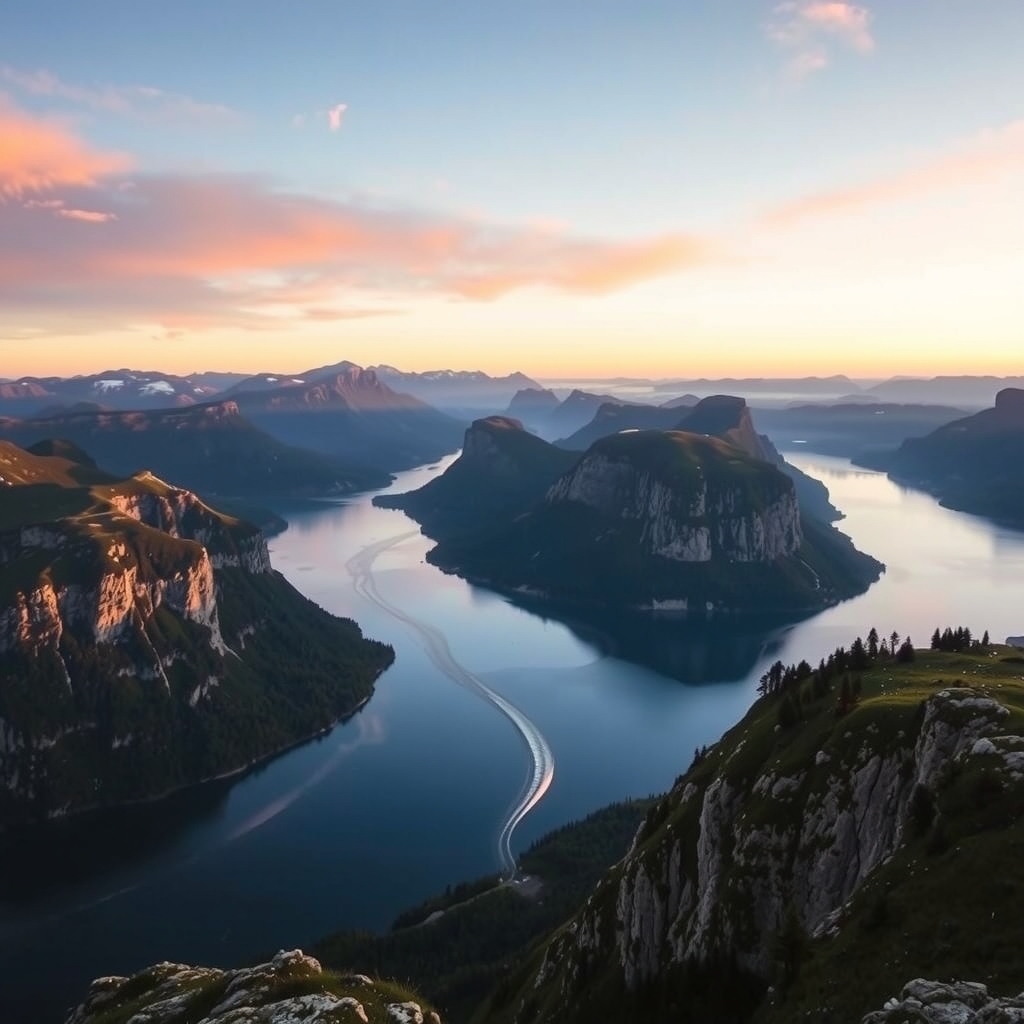
Western Norway, defined by its intricate network of deep fjords and precipitous mountains, offers a profound connection to nature. Beyond the tourist corridors, the region remains a bastion of stillness and slow-paced exploration, perfect for those seeking to reconnect with the wilderness in a sustainable and respectful manner.
Exploring the Fjordlands
The heart of Western Norway lies in its fjords, such as Geirangerfjord and Nærøyfjord, both recognized for their pristine condition and sheer scale. These massive glacial valleys provide dramatic backdrops for light hiking, kayaking, or simply observing the interplay of clouds and mountain peaks.
When planning your visit, consider traveling during the shoulder seasons of late spring or early autumn. These periods offer a quieter atmosphere and longer daylight hours, allowing for a more intimate experience of the rugged landscapes.
Transportation and Logistics
Navigating the fjord region relies heavily on an integrated system of ferries, trains, and buses. The Bergensbanen railway, connecting Oslo and Bergen, is widely considered one of the most scenic train journeys globally, crossing the high mountain plateaus of Hardangervidda.
While private vehicles provide flexibility, local transport networks are highly efficient and often more sustainable. Utilizing electric ferries and public transport minimizes your carbon footprint while allowing you to focus on the views rather than the complexities of driving on narrow, winding coastal roads.
Cultural Etiquette and Practicalities
Norwegian culture places a high value on 'friluftsliv', an outdoor lifestyle characterized by a deep respect for the environment. Visitors are encouraged to practice 'leave no trace' principles, ensuring that the fragile alpine and fjord ecosystems remain undisturbed for future generations.
When dining or interacting with locals, modesty and directness are appreciated. Most businesses operate with digital payment systems, and cash is rarely required. It is always wise to pack versatile, waterproof clothing, as weather patterns in the region can shift rapidly, regardless of the season.
Conclusion
A journey through Western Norway is less about ticking off landmarks and more about absorbing the stillness of a landscape shaped by millennia of glacial force. By traveling slowly and observing local customs, you can ensure that your visit remains a positive experience for both you and the enduring majesty of the Norwegian wilderness.