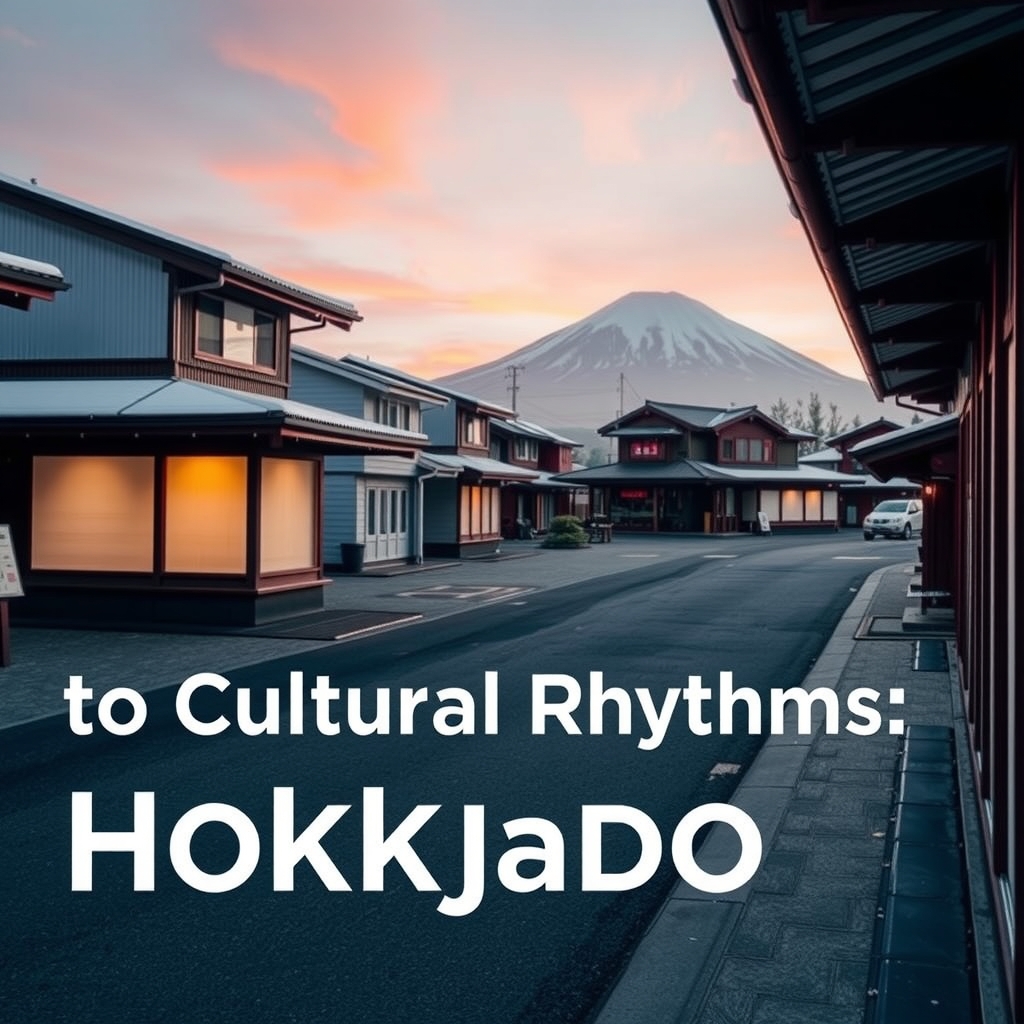
Hokkaido, Japan's northernmost major island, offers a distinct contrast to the frenetic energy of Tokyo and the historic density of Kyoto. Characterized by wide-open spaces, rugged volcanic mountain ranges, and a culinary scene deeply rooted in the island's fertile soil and surrounding seas, it is a destination that rewards slow exploration and a appreciation for the changing seasons.
Seasonal Highlights and Natural Wonders
The charm of Hokkaido is inseparable from its seasons. In the warmer months, the rolling hills of Biei and the vast flower fields of Furano create a vibrant, mosaic-like landscape. Hiking enthusiasts often flock to Daisetsuzan National Park, where the alpine flora and dramatic peaks offer some of the most rewarding wilderness trekking in the country.
As winter descends, the island transforms into a snow-covered sanctuary. The Sapporo Snow Festival is an international draw, showcasing massive, intricate ice sculptures in the heart of the city. Beyond urban celebrations, the island is world-renowned for its light, powdery snow, making it a premier destination for winter sports in regions like Niseko.
Planning and Transportation
Navigating Hokkaido requires a bit more forethought than in the more densely populated regions of Honshu. While the Shinkansen now connects Hakodate to the mainland, the rest of the island is best navigated by a combination of limited express trains and local lines. For those looking to explore remote onsen towns or national parks, renting a car provides the necessary freedom to reach off-the-beaten-path locations.
Travelers should keep in mind that distances in Hokkaido are significant. Planning an itinerary that focuses on one or two specific regions, rather than attempting to see the entire island in a single trip, will ensure a more relaxed and immersive experience.
Etiquette and Cultural Nuances
Japanese social norms remain paramount in Hokkaido. Politeness and a quiet demeanor in public spaces are appreciated. When visiting the island’s many hot springs, or onsen, familiarize yourself with standard bathing etiquette, which involves washing thoroughly before entering the water and ensuring that tattoos are covered if required by the facility’s specific rules.
Respect for the environment is also a key aspect of Hokkaido culture. When exploring the wilderness, stick to marked trails and ensure that all waste is carried out. This preserves the pristine nature of the landscapes that make the island so captivating.
Budget Considerations
Hokkaido offers a wide spectrum of budget options, from utilitarian business hotels in major transit hubs to luxurious ryokans nestled in mountain valleys. Food costs can be managed effectively by taking advantage of the abundance of fresh, locally sourced ingredients available at markets and train station bento shops.
It is always prudent to keep some local currency on hand, as smaller, family-run establishments in rural areas may not always accept credit cards. Additionally, consider checking for regional transport passes, which can provide significant savings for travelers planning to use rail services extensively.
Conclusion
Whether you are visiting to soak in a steaming caldera lake during the crisp autumn or to witness the ephemeral beauty of cherry blossoms in late spring, Hokkaido provides a refreshing perspective on the Japanese archipelago. By traveling with curiosity and respect, you will find that this northern expanse leaves a lasting impression of natural beauty and understated grace.