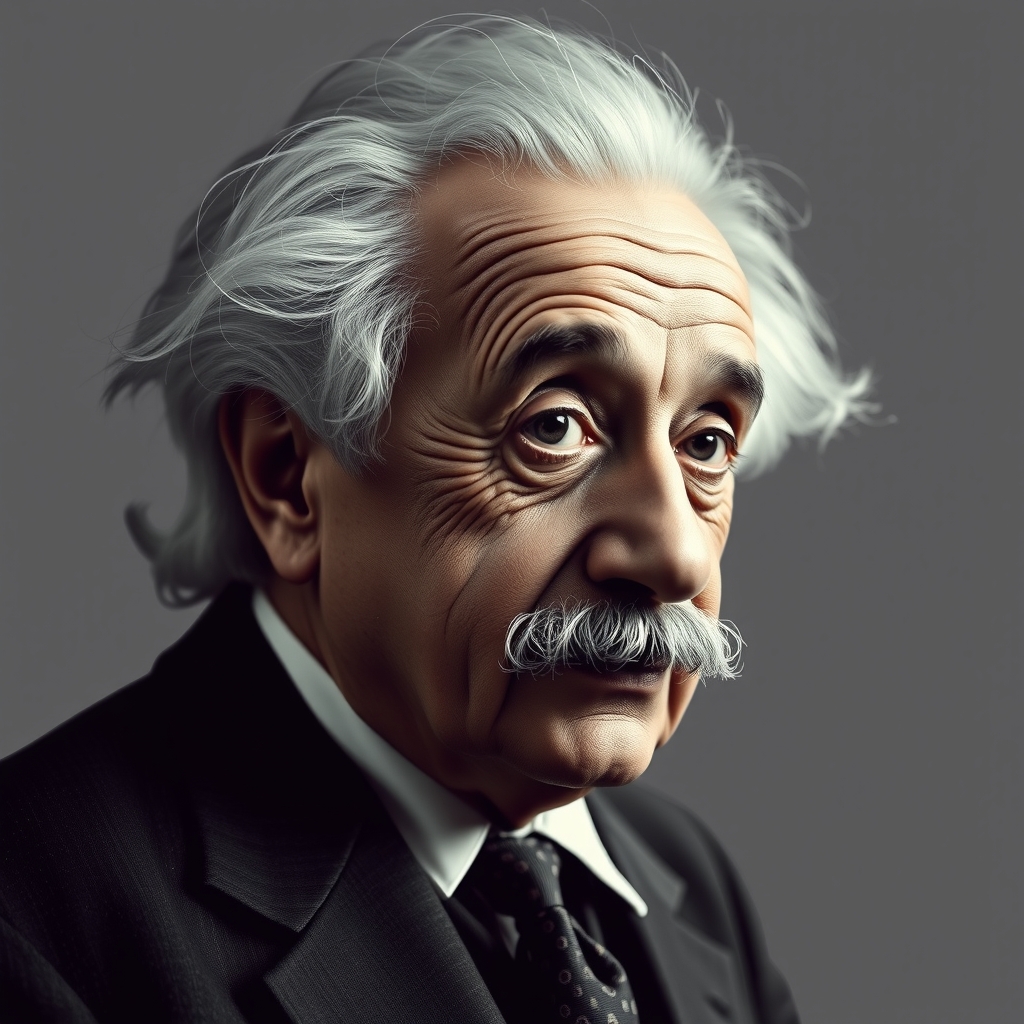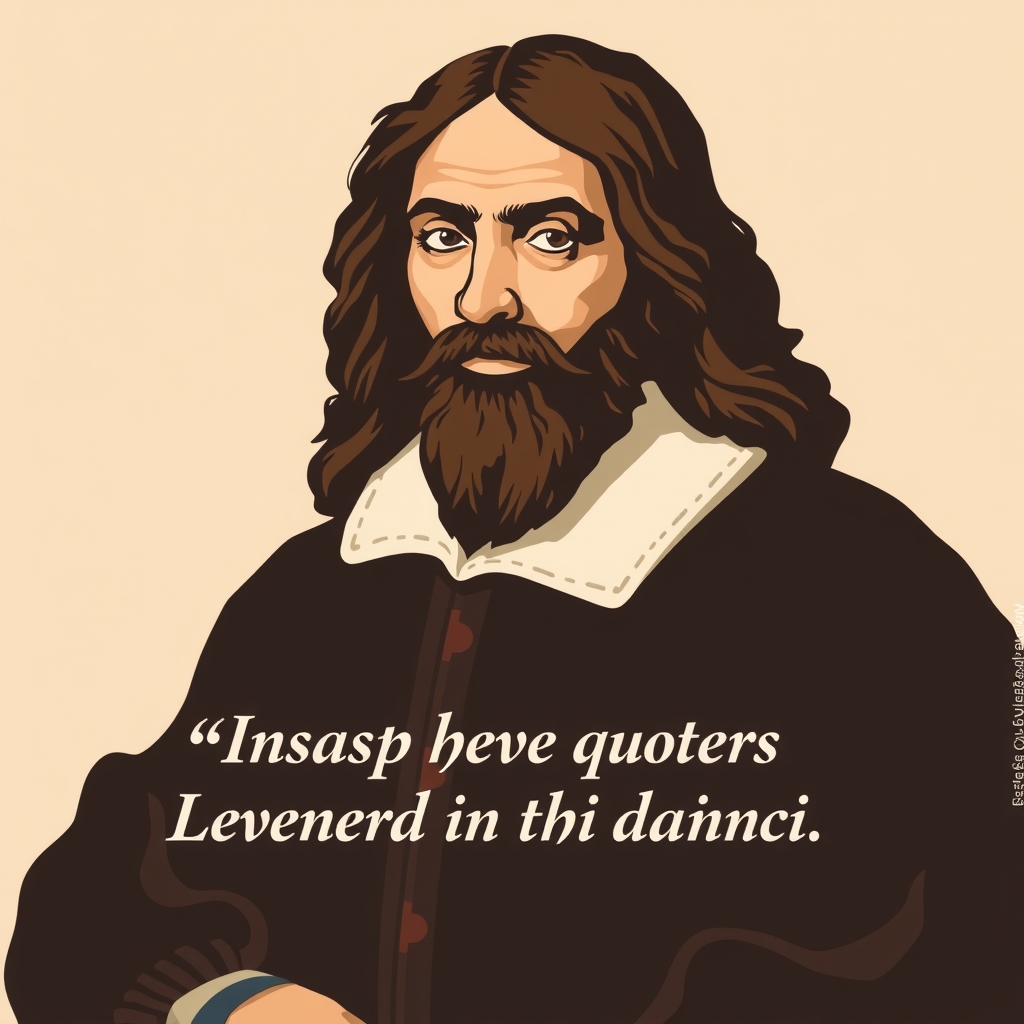
Leonardo da Vinci remains one of the most fascinating figures in human history, embodying the spirit of the Renaissance through his extraordinary achievements in art, science, engineering, and anatomy. His relentless curiosity and profound observations about the natural world continue to inspire thinkers, creators, and scientists centuries after his lifetime. Below is a collection of his authentic thoughts and observations, followed by a look at his remarkable journey.
Verified Quotes by Leonardo da Vinci
“Simplicity is the ultimate sophistication.”
Source: Attributed in various biographical collections and traditional records of his philosophical notes.
“Art embraces all creation; it is what it is; it imitates and excels.”
Source: Treatise on Painting (Trattato della pittura)
“Iron rusts from disuse; stagnant water loses its purity and in cold weather becomes frozen; even so inaction saps the vigors of the mind.”
Source: Notebooks of Leonardo da Vinci
“Learning never exhausts the mind.”
Source: Codex Arundel
“Tears come from the heart and not from the brain.”
Source: Notebooks of Leonardo da Vinci
About Leonardo da Vinci
Born in 1452 in the small town of Vinci in the Florentine Republic, Leonardo was the illegitimate son of a notary and a young peasant woman. Despite lacking formal higher education in classical languages and mathematics, his prodigious intellect and artistic talent blossomed early when he entered the workshop of the renowned artist Andrea del Verrocchio in Florence. During this period, he honed his skills not only in painting and sculpture, but also in metallurgy, mechanics, carpentry, and drawing.
As his career progressed, Leonardo worked for various prominent patrons, including the Medici family in Florence and Ludovico Sforza in Milan, where he created masterpieces like The Last Supper. Later in life, he traveled and worked in Rome, Bologna, and Venice before spending his final years in France under the patronage of King Francis I. Throughout his travels, he filled thousands of pages of personal notebooks with detailed anatomical sketches, botanical studies, architectural plans, and futuristic inventions ranging from flying machines to armored vehicles.
Leonardo's legacy rests on his unique ability to merge empirical scientific inquiry with sublime artistic expression. He viewed art and science not as separate disciplines, but as complementary tools for understanding the universe. His insatiable drive to observe, question, and innovate ensures that his voice remains as relevant and resonant today as it was during the height of the Italian Renaissance.
Conclusion
The enduring wisdom of Leonardo da Vinci highlights the power of lifelong curiosity, careful observation, and interdisciplinary thinking. Whether examining his artistic masterpieces or his detailed scientific sketches, we are reminded of a mind that constantly pushed the boundaries of human potential.