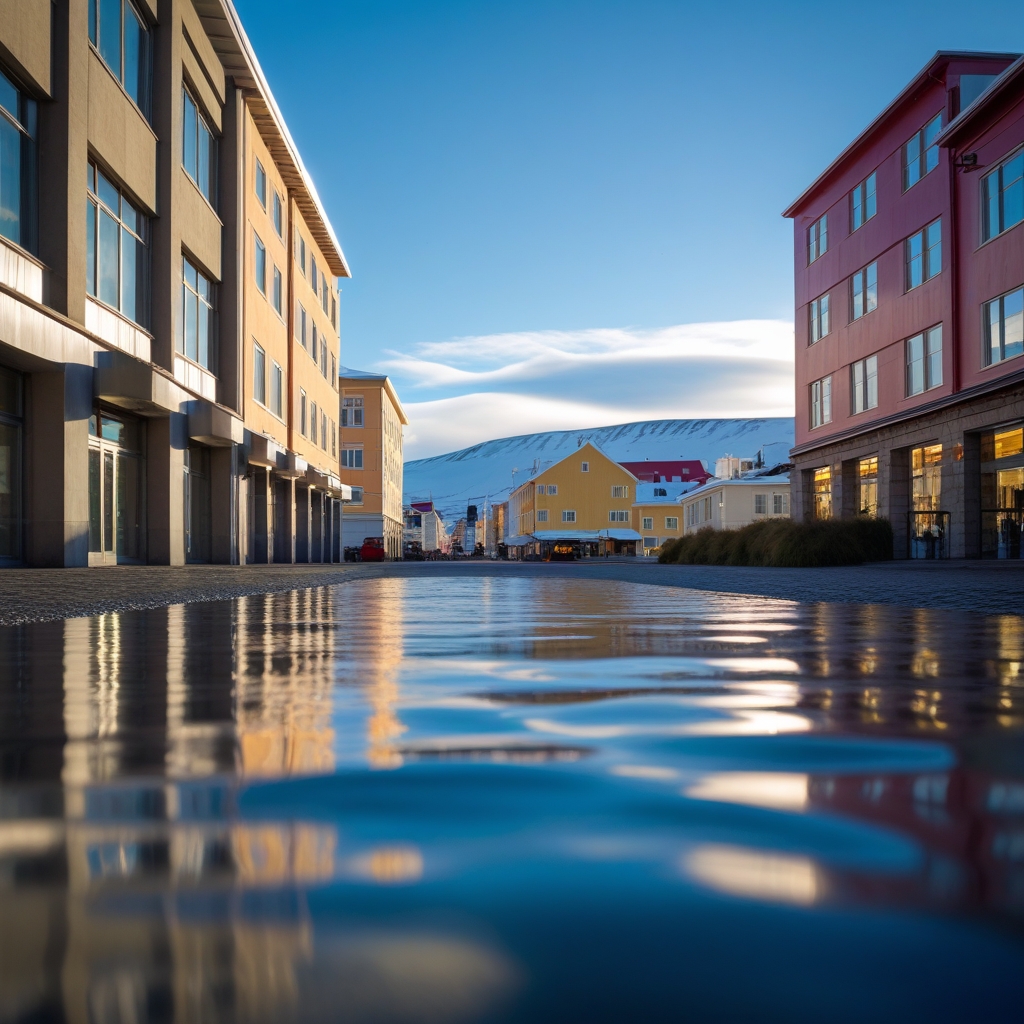
Nestled along the shores of Faxaflói Bay, Reykjavik serves as the colorful, compact capital of Iceland and the primary starting point for most national adventures. Characterized by corrugated iron houses painted in vibrant hues, dramatic mountain backdrops, and a thriving creative culture, the city blends small-town charm with modern cosmopolitan amenities. For a first-time visitor, understanding the layout and rhythm of the city helps transition smoothly from the dramatic wilderness outside the capital to the bustling urban core.
While many travelers treat Reykjavik merely as a brief transit hub before heading out to the Golden Circle or the Ring Road, the city itself rewards a slow, intentional exploration. Weather conditions can shift rapidly from bright sunshine to brisk wind and rain within minutes, making flexible daily planning essential. Whether you plan to spend a few days wandering through museums, sampling local seafood, or using the city as a comfortable base for regional day trips, knowing how to navigate the streets and neighborhoods will elevate your entire travel experience.
Understanding the City Layout and Key Neighborhoods
Reykjavik is remarkably walkable, with most points of interest concentrated in the central downtown district known as Miðbærinn. This core area spans outward from the scenic Tjörnin pond and the bustling shopping strip of Laugavegur, making it easy to explore on foot without relying heavily on cars. Historic wooden buildings stand alongside contemporary architectural landmarks, creating a distinct visual contrast that defines the urban landscape.
Just east of the center lies Laugardalur, a greener residential district known for its expansive thermal pool complex, botanical gardens, and family-friendly attractions. Meanwhile, the harbor area of Grandi has evolved into a creative hub filled with design shops, small-scale museums, and culinary spots. Exploring these distinct pockets provides a well-rounded perspective of local daily life beyond the standard postcard views.
Getting Around Without a Car
Navigating Reykjavik without a rental vehicle is straightforward thanks to the city's comprehensive municipal bus network, operated by Strætó. Buses connect the downtown core with residential neighborhoods and surrounding municipalities, though service frequencies can vary depending on the time of day and weekends. Digital ticketing apps allow for convenient fare payment directly from your smartphone.
Walking remains the best method for exploring the central downtown area, as traffic restrictions and limited parking can make driving downtown cumbersome for visitors. Bicycling is also becoming increasingly popular, with dedicated paths expanding across the city. For trips beyond the capital region, scheduled long-distance coaches or organized day tours offer reliable alternatives to driving yourself.
Major Sights and Cultural Landmarks
The city skyline is famously anchored by Hallgrímskirkja, a Lutheran parish church whose striking expressionist architecture was inspired by basalt lava columns. Visitors can take an elevator up to the tower for panoramic views of the colorful rooftops and surrounding mountains. Down by the waterfront, the Sun Voyager sculpture offers a quiet place to gaze out over the bay toward Mount Esja.
Culture enthusiasts will find plenty to explore in institutions like Harpa Concert Hall, known for its shimmering glass facade, and the National Museum of Iceland, which traces the nation's history from the Viking Age onward. Art galleries and street murals are scattered throughout downtown, reflecting a vibrant contemporary creative scene that thrives year-round.
Local Food and Dining Culture
Icelandic cuisine heavily reflects its maritime heritage and Nordic traditions, with fresh seafood, lamb, and dairy products forming the foundation of traditional dishes. Downtown restaurants range from casual cafes serving hearty fish stews to fine dining establishments reimagining local ingredients with modern techniques. Street food staples, including famous hot dog stands, offer quick and affordable bites for travelers on the go.
Coffee culture is deeply ingrained in daily life, and independent cafes line the central streets, serving as warm gathering spots during colder weather. Visitors should note that dining out in the capital tends to be relatively expensive compared to other European destinations, so reviewing menus and planning meals in advance can help manage your travel budget effectively.
Seasonal Variations and Weather Awareness
The experience of visiting Reykjavik changes dramatically depending on the season. Summer brings long daylight hours and milder temperatures, allowing for extended sightseeing and vibrant outdoor festivals. Conversely, winter introduces shorter days, snow-covered streets, and prime opportunities to view the northern lights when venturing slightly away from city lights.
Regardless of the month, coastal winds and sudden rain showers are common, meaning that layered, windproof, and waterproof clothing is always necessary. Checking local weather forecasts and road conditions daily is a critical habit for any traveler planning both city walks and excursions into the wider countryside.
Practical Planning and Etiquette Tips
Card payments are accepted almost universally across Iceland, and cash is rarely needed for everyday transactions. Tipping is not customary or expected, as service fees are typically included in printed prices. Respecting local customs, such as showering thoroughly without swimwear before entering public thermal pools, ensures a polite and pleasant interaction with residents.
Advance reservations for popular restaurants, major tours, and accommodation are strongly recommended, particularly during the peak summer tourist season. Keeping a flexible mindset regarding weather delays will also help ensure a stress-free and enjoyable visit to the northernmost capital.
Conclusion
Visiting Reykjavik offers a rewarding blend of vibrant arts, maritime history, and accessible urban nature. By taking time to explore its distinct neighborhoods on foot, understanding local transit options, and respecting the unpredictable coastal climate, you can build a solid foundation for an unforgettable trip to Iceland.