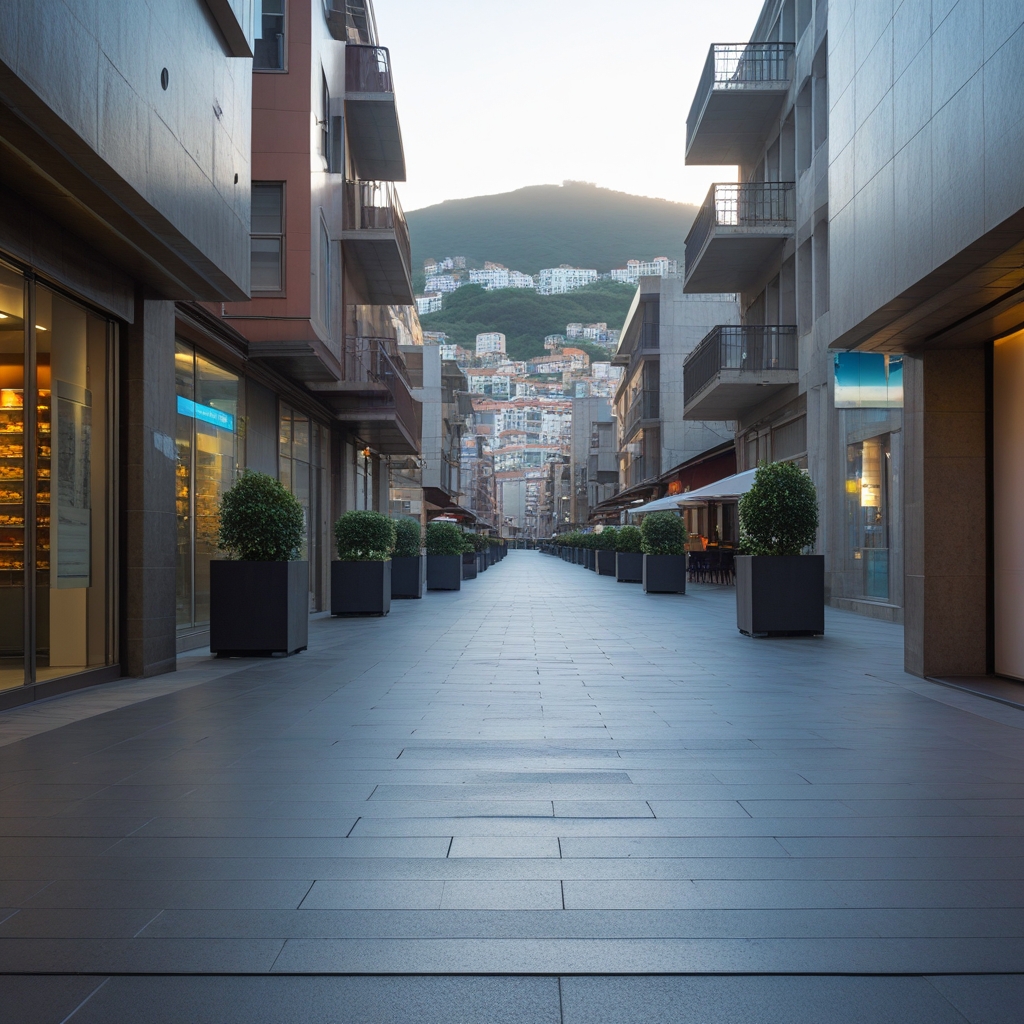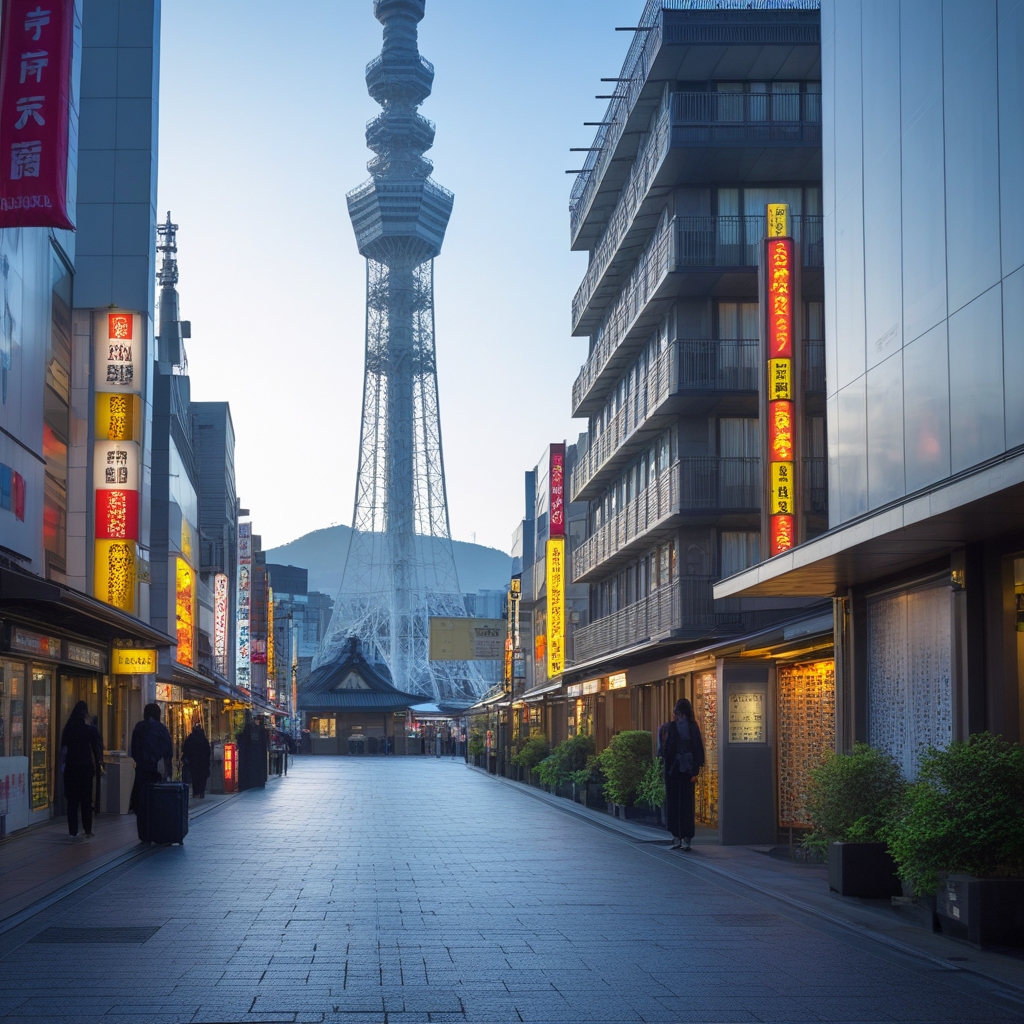
Tokyo presents an immense metropolis where hyper-modern skyscrapers seamlessly neighbor historic wooden temples and quiet residential lanes. For a first-time visitor, navigating this sprawling Japanese capital can feel simultaneously exhilarating and intimidating. The city operates with remarkable precision, from its sprawling subway systems to its orderly pedestrian walkways, making it an accessible destination for those willing to embrace a bit of urban exploration. Understanding the layout of the city and its distinct districts is the first step toward a successful trip.
Navigating the Tokyo Rail Network
The backbone of any visit to Tokyo is its extraordinarily efficient rail and subway network. Operated by multiple companies, including Japan Railways and private subway operators, the system connects nearly every corner of the urban area. Purchasing an IC card, such as Suica or Pasmo, simplifies travel immensely by allowing you to tap through ticket gates without buying individual fares for each journey.
While digital maps and transit applications make routing straightforward, transfer stations like Shinjuku or Tokyo Station can resemble underground cities. Planning your routes in advance and paying attention to color-coded station signs will save you from taking unnecessary detours. Trains generally run from early morning until around midnight, meaning late-night outings require alternative transport planning if you miss the final departure.
Essential Tokyo Neighborhoods
Tokyo is not a city with a single center; instead, it is a collection of distinct neighborhoods, each possessing its own unique atmosphere and commercial focus. Shinjuku serves as a major transit and entertainment hub, featuring massive department stores, narrow neon-lit alleys like Omoide Yokocho, and sweeping city views from observation decks. Nearby Shibuya is famous for its iconic scramble crossing and youthful fashion culture.
For a different pace, Asakusa offers a glimpse into Tokyo's older downtown heritage, anchored by the Senso-ji temple and traditional shopping streets. Meanwhile, districts like Akihabara cater heavily to electronics and pop culture enthusiasts, while Ginza offers upscale shopping, galleries, and traditional dining establishments.
Major Sights and Cultural Landmarks
Balancing modern architecture with centuries-old traditions, Tokyo offers countless attractions that reflect its diverse history. Meiji Shrine, nestled inside a tranquil forested park in Harajuku, provides a peaceful escape from the surrounding urban density. Visitors can observe traditional Shinto architecture and occasionally spot wedding processions dressed in ceremonial attire.
Art and technology enthusiasts will find world-class museums spread across the metropolis, ranging from digital art installations in Odaiba to traditional history exhibits in Ueno Park. Gardens like Shinjuku Gyoen offer seasonal highlights, particularly during the spring cherry blossom period and autumn foliage changes, though checking local bloom schedules ahead of time is always wise.
Local Dining Culture and Etiquette
Food plays a central role in Tokyo daily life, encompassing everything from casual ramen counters and neighborhood izakayas to multi-course Michelin-starred establishments. Many smaller eateries utilize ticketing machines outside the door where you select and pay for your meal before entering. Ordering involves handing your ticket to the chef upon seating.
Dining etiquette differs in several ways from Western customs. Tipping is not practiced in Japan and can cause confusion if left behind. Additionally, walking while eating is generally discouraged in public spaces; it is customary to consume street food near the stall or shop where you purchased it.
Weather, Seasons and Packing Essentials
Tokyo experiences four distinct seasons, each bringing different weather conditions and travel considerations. Summers are typically hot and humid with occasional rainfall, while winters are generally cool and dry with rare snowfall. Spring and autumn are widely regarded as the most comfortable periods for walking outdoors, though they also attract higher numbers of international travelers.
Regardless of the season, comfortable walking shoes are non-negotiable since a typical day involves miles of pavement pounding and station stairs. Packing layers helps adapt to indoor heating during winter or heavily air-conditioned spaces in summer. A pocket Wi-Fi device or an international data roaming plan is also invaluable for navigating transit maps on the go.
Common Visitor Mistakes to Avoid
First-time travelers often make the mistake of attempting to pack too many distant activities into a single day. Because Tokyo is vast, grouping neighborhood visits geographically helps minimize time spent riding trains back and forth across the city.
Another frequent oversight involves cash management. While digital payments have expanded significantly, many smaller restaurants, temples, and taxis still rely entirely on cash yen. Keeping a modest amount of physical currency on hand ensures you never get stranded without a way to pay.
Conclusion
Planning a journey to Tokyo rewards travelers who take time to understand the local transit infrastructure and neighborhood layouts. By pacing your itinerary, respecting regional customs, and keeping an open mind, your first visit to this dynamic capital will unfold smoothly and leave you with lasting impressions of Japanese hospitality and urban design.