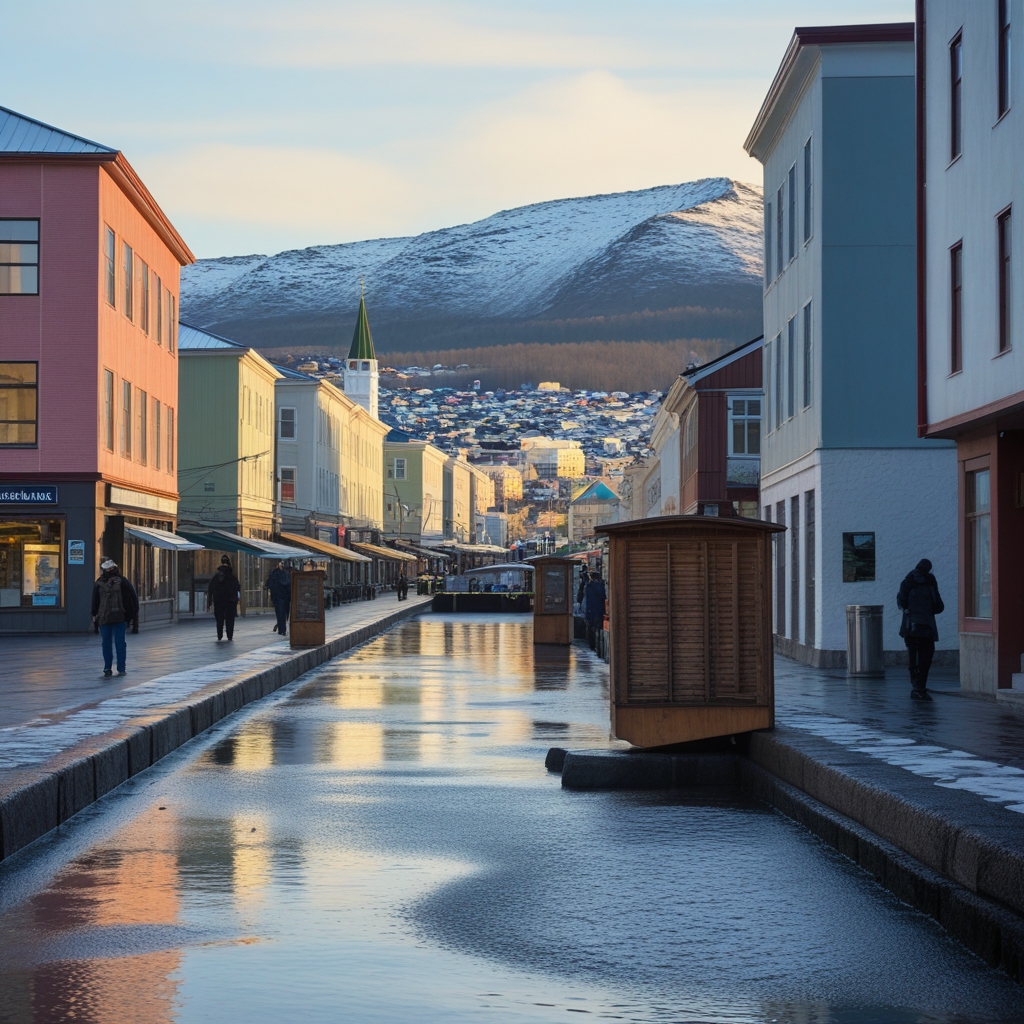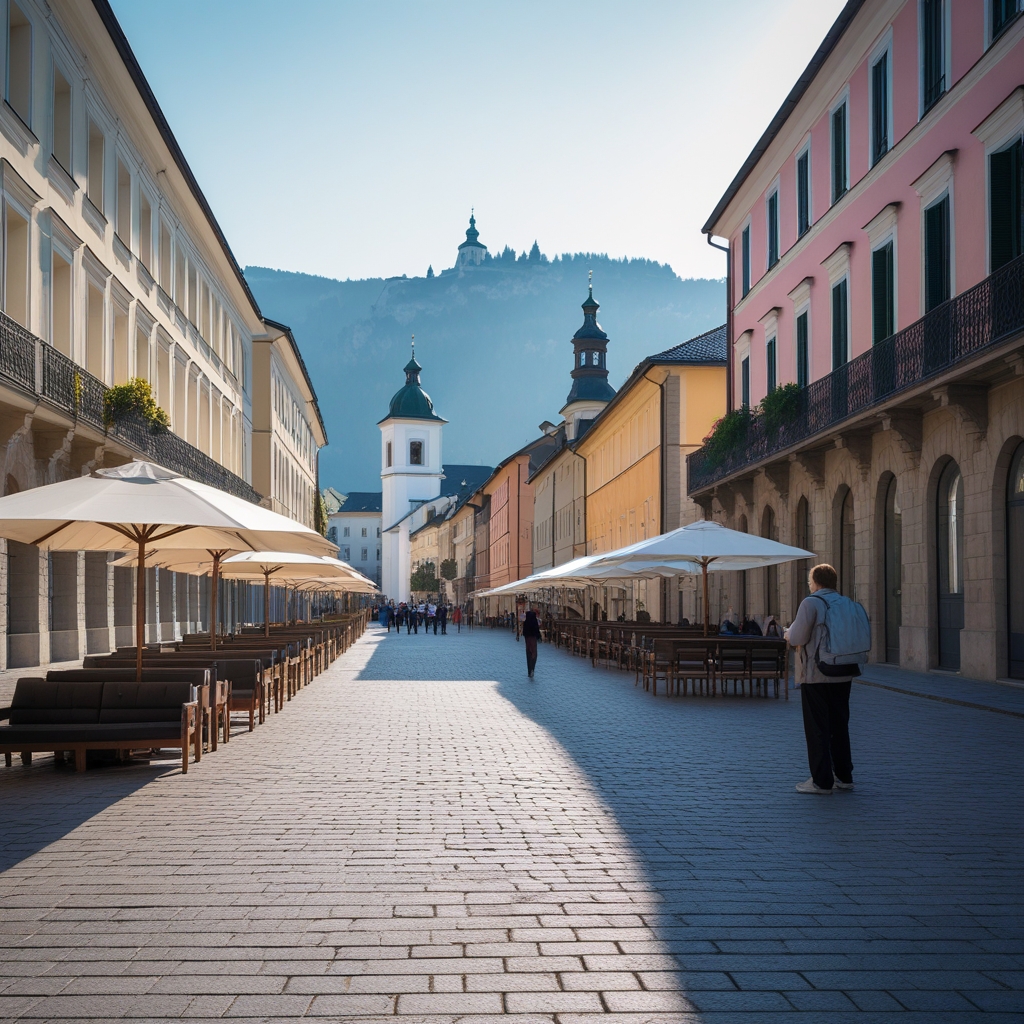
Marseille stretches along the sun-bleached Mediterranean coast of southern France, offering a striking blend of maritime heritage, multicultural energy, and rugged natural beauty. As France's oldest city, it brings together ancient roots and modern urban living, marked by steep limestone calanques, bustling commercial ports, and winding residential alleys. Planning a first journey here means looking past simplistic stereotypes and preparing for a sprawling, energetic city that rewards slow exploration and practical navigation.
Unlike more compact European hubs, Marseille is a collection of distinct districts, each possessing its own unique atmosphere, architectural style, and culinary identity. Navigating the city effectively requires an understanding of how these neighborhoods connect through an integrated transit network of metros, buses, and trams. Knowing where to base your stay, how to get around safely, and which cultural customs to respect will lay the groundwork for an engaging coastal escape.
Navigating the Core Neighborhoods
The historic heart of the city centers around the Vieux Port, or Old Port, where fishing boats bob alongside modern yachts and seafood markets operate daily. This harbor serves as a natural orientation point for newcomers, bordered by ancient quays and lively café terraces. Just to the north lies Le Panier, Marseille's oldest district, characterized by steep, narrow streets, colorful shuttered windows, weathered stone facades, and vibrant street art tucked into hidden corners.
Farther east, the neighborhood of La Plaine and Cours Julien offers a bohemian contrast, known for independent bookshops, vintage boutiques, and sprawling murals. For visitors seeking classic Haussmann-style architecture and upscale shopping, the area around the Canebière and Préfecture provides broad boulevards and stately residential blocks. Meanwhile, coastal quarters like Endoume and the seaside stretches leading toward the Corniche Kennedy appeal to those wanting immediate access to Mediterranean views and rocky swimming coves.
Understanding Public Transit
Getting around Marseille without a car is entirely manageable thanks to the RTM network, which operates the city's metro, buses, and tram lines. The metro system features two main lines that intersect at Saint-Charles railway station and Castellane, making cross-town travel straightforward for visitors staying near major transport hubs. Trams offer a scenic way to traverse the central corridors, while an extensive bus network reaches further out toward coastal neighborhoods and suburban hillsides.
Purchasing single tickets or multi-ride passes can be done at station kiosks or directly through ticket machines. For those exploring on foot, central districts like the Old Port and Le Panier are best experienced by walking, though sturdy footwear is essential due to the hilly terrain and uneven cobblestones. Ferry services also operate across the harbor, providing a quick pedestrian shortcut from one side of the Vieux Port to the other.
Must-See Landmarks and Cultural Sites
Any introductory itinerary should include the iconic basilica of Notre-Dame de la Garde, perched high on a limestone hill overlooking the entire metropolis. Known locally as la Bonne Mère, this nineteenth-century neo-Byzantine church offers panoramic vistas of the Mediterranean and the urban sprawl below. Down at sea level, the MuCEM—Museum of European and Mediterranean Civilisations—stands as a striking modern architectural feat, connected by footbridges to the historic Fort Saint-Jean.
Off the coast, the Château d'If rises dramatically from a small island in the Frioul archipelago, famously immortalized in Alexandre Dumas's novel The Count of Monte Cristo. Visitors can take short boat excursions from the Old Port to explore the fortress and the surrounding nature reserve islands, which feature quiet walking trails and secluded swimming spots away from the urban center.
Sampling Local Cuisine and Dining Culture
Marseille's culinary landscape is heavily defined by its proximity to the sea and its deep Mediterranean trade history. The most famous local specialty is bouillabaisse, a rich and aromatic fish stew traditionally prepared with a variety of catch-of-the-day seafood, herbs, and served alongside garlic-rubbed toast and rouille sauce. Authentic preparations often require advance reservation and come with a traditional serving ritual where the broth and fish are presented separately.
Beyond seafood, the local markets overflow with Provençal olives, fresh goat cheeses, garlic-heavy dishes, and sweet pastries like navettes, traditional boat-shaped biscuits flavored with orange blossom. Neighborhood bakeries and casual bistros offer accessible ways to sample regional flavors without committing to formal dining settings, while outdoor terraces provide a front-row seat to daily street life.
Weather Patterns and Seasonality
The city enjoys a classic Mediterranean climate characterized by long, hot, dry summers and mild, occasionally breezy winters. Summer brings intense sunshine and high visitor numbers, particularly along coastal walking paths and beaches, making early morning or late afternoon the most comfortable times for sightseeing. Spring and autumn offer pleasant temperatures for urban exploration and outdoor excursions into nearby natural parks without the peak summer crowds.
Visitors should remain mindful of the mistral, a strong, cold wind that frequently sweeps down the Rhône Valley into the region, bringing remarkably clear skies but sudden drops in temperature. Checking local forecasts before planning outdoor activities or boat trips to the islands is always a practical step.
Practical Planning and Safety Awareness
Like any major European port city, Marseille requires basic situational awareness regarding personal belongings, particularly in crowded transit hubs, open-air markets, and around major tourist attractions. Keeping valuables secure and avoiding poorly lit side streets late at night are standard precautions that help ensure a smooth visit. It is also wise to carry some cash, as smaller bakeries and market stalls may have minimum limits for card transactions.
Language can occasionally present a barrier for travelers unfamiliar with French, though English is commonly spoken in hotels and major tourist venues. Learning a few polite phrases of greeting and gratitude goes a long way in fostering positive interactions with local residents, shopkeepers, and service staff throughout your stay.
Conclusion
Visiting Marseille for the first time reveals a dynamic coastal metropolis that thrives on contrasts, from historic stone forts to modern cultural hubs. By familiarizing yourself with the layout of the neighborhoods, utilizing the public transit system, and balancing landmark sightseeing with slow neighborhood exploration, you can experience the genuine rhythm of this Mediterranean destination.