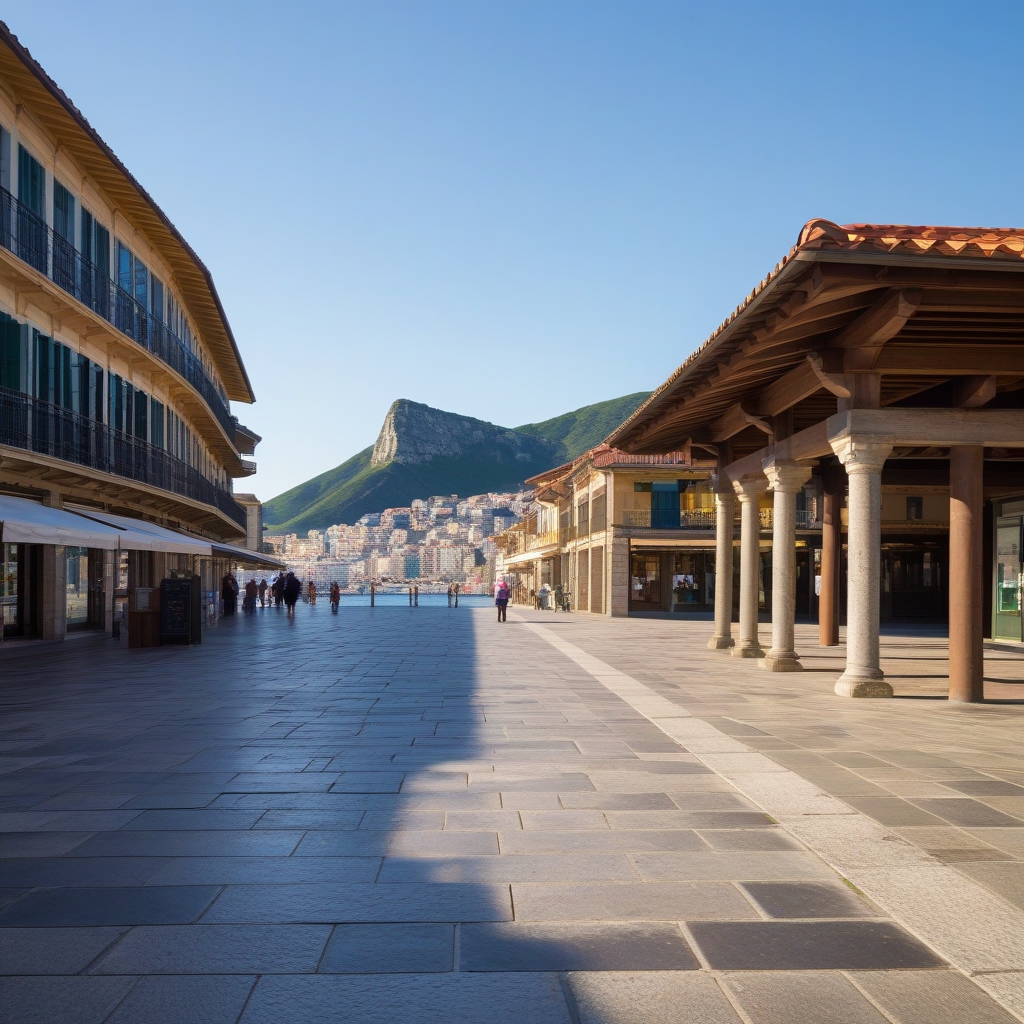
Nestled in a lush valley along the banks of the Nervión River, Bilbao stands as a striking example of urban reinvention. Once recognized primarily for its heavy industry and shipyards, this northern Spanish city shifted its focus toward contemporary art, striking architecture, and culinary excellence over recent decades. Today, it offers travelers an inviting mix of gritty industrial heritage and sleek modern design, making it an engaging destination for anyone looking to experience the Basque Country without the intense crowds found further south.
Planning a first visit here involves understanding the distinct character of the city's various districts, from the medieval lanes of the historic center to the wide, elegant boulevards of the 19th-century expansion. While the iconic titanium curves of the Guggenheim Museum often draw the initial attention, the city rewards those who slow down to explore local taverns, cross its pedestrian bridges, and observe daily neighborhood life. A successful trip balances gallery-hopping with long, leisurely lunches featuring local pintxos.
Before you pack your bags, it helps to know that Bilbao experiences a distinct oceanic climate, meaning rain showers can happen at any time of year. Bringing a reliable waterproof jacket is just as important as packing comfortable walking shoes to navigate the hilly terrain. By familiarizing yourself with the local transit options and regional customs ahead of time, you can set the stage for a smooth and rewarding journey.
Navigating the Neighborhoods
Bilbao is a compact city, and most key areas can be explored easily on foot if you are comfortable with walking. The city is broadly divided into the historic old town, known locally as the Casco Viejo, and the newer districts that stretch out along the riverbanks. Each area possesses a distinct rhythm and visual identity.
The Casco Viejo, or the Seven Streets, forms the medieval heart of Bilbao. It is a pedestrian-only zone filled with narrow alleyways, independent shops, lively plazas, and traditional cider houses. Directly across the river lies the Ensanche, developed during the late 19th and early 20th centuries. This area features grand Haussmann-style architecture, wide shopping avenues, and the peaceful green expanse of Doña Casilda Iturrizar Park. Further down the river sits Abandoibarra, the modern district where ambitious regeneration projects have transformed former docklands into a showcase of contemporary architecture.
Key Landmarks and Sights
The Guggenheim Museum Bilbao anchors the city's international reputation. Designed by architect Frank Gehry, the undulating metallic building is a work of art in its own right, housing rotating and permanent exhibitions of modern and contemporary works. Surrounding the museum, outdoor installations like Louise Bourgeois's giant spider sculpture invite close inspection from passersby.
Beyond the art world, visitors often gravitate toward the Azkuna Zentroa, a former wine warehouse converted into a vibrant cultural and leisure center by designer Philippe Starck. For panoramic views of the entire valley, taking the Artxanda Funicular up to the nearby mountain viewpoint provides a comprehensive perspective of how the city nestles into the surrounding green hills.
Getting Around Public Transit
Bilbao boasts an efficient and clean public transportation system managed by local authorities, making it simple to navigate even without a car. The Metro Bilbao network, designed largely by Norman Foster, features distinctive glass station entrances known locally as fosteritos and connects the city center directly to nearby coastal towns and neighborhoods.
In addition to the metro, the city operates an integrated tram network that runs along the riverbanks, passing several major cultural sites. Local buses, known as Bilbobus, cover routes that the rails do not reach. Purchasing a rechargeable transit card at any metro station counter or ticket machine simplifies fare payment across all modes of transport and usually offers a discount over single-ride paper tickets.
Experiencing Basque Culinary Culture
Food plays a central role in daily life throughout the Basque Country, and Bilbao is no exception. The local dining scene ranges from casual neighborhood bars serving bite-sized snacks to internationally acclaimed restaurants holding Michelin stars. Understanding local dining etiquette enhances the experience.
Pintxos culture is a social institution here. Unlike standard tapas, pintxos are elaborate small bites often fixed to a piece of bread with a toothpick, displayed in rows across bar counters. Visitors typically participate in a txikiteo, moving from one bar to another, ordering a single pintxo and a small glass of local white wine or cider at each stop. Traditional seated meals feature fresh seafood from the Bay of Biscay, robust meat dishes, and rich sheep's milk cheeses.
Practical Planning and Weather Considerations
Because of its location near the northern coast, Bilbao experiences mild summers and cool, damp winters. Rainfall is a frequent occurrence year-round, so packing an umbrella and a durable jacket is essential regardless of the season. Checking local forecasts before heading out for a day of sightseeing helps avoid getting caught in sudden downpours.
When it comes to communication, Spanish is spoken universally, but Basque is also widely used on street signs and official announcements. Learning a few basic words in Spanish or Basque is always appreciated by local residents. It is also worth noting that many traditional shops and businesses still observe afternoon rest periods, though larger supermarkets and tourist attractions generally remain open through the day.
Conclusion
Visiting Bilbao offers a rewarding immersion into a distinct regional culture where industrial history meets cutting-edge design. By taking time to wander through the medieval lanes of the Casco Viejo, sample local pintxos, and admire the modern architecture along the Nervión River, you gain a genuine feel for the city's unique identity. Keep your plans flexible, pack for variable weather, and let the city's relaxed pace guide your daily exploration.