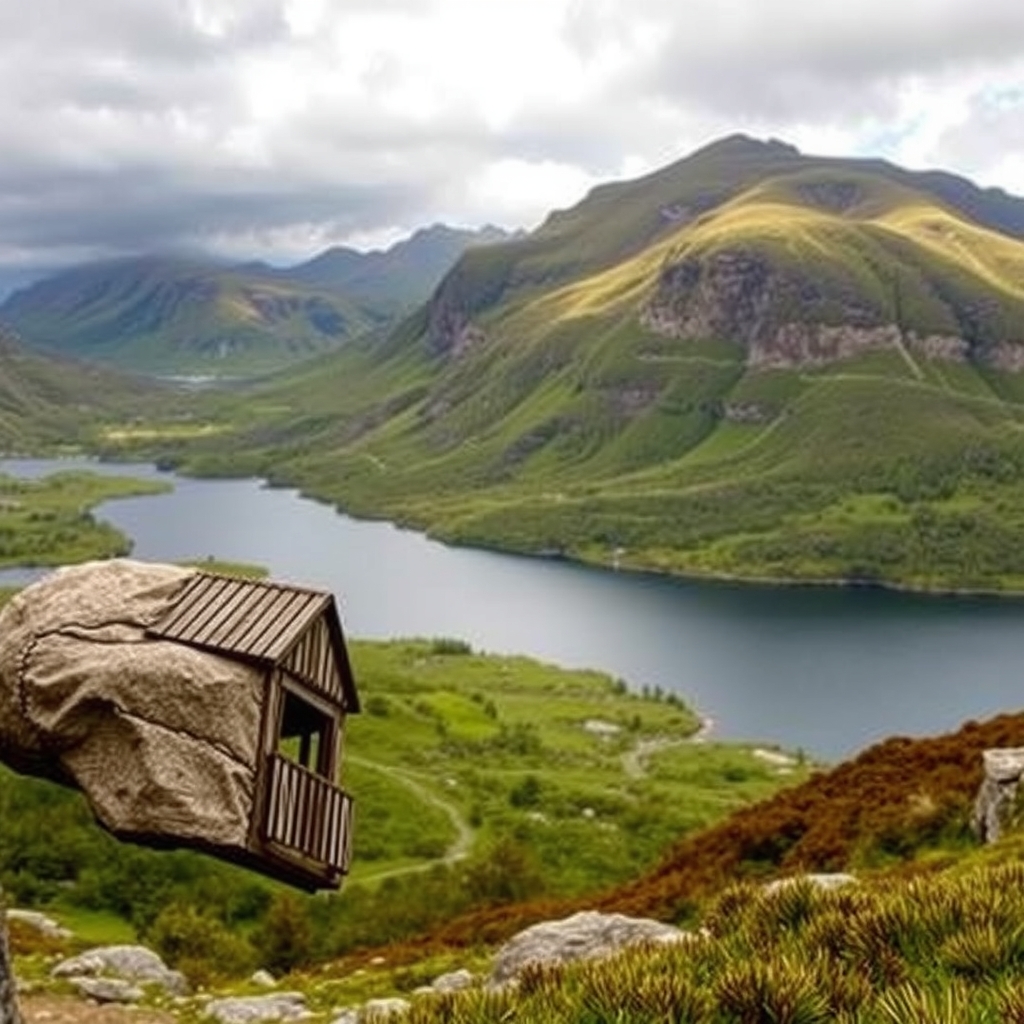
The Scottish Highlands represent one of the last truly wild landscapes in Europe. Characterized by expansive moorlands, deep lochs, and jagged mountain peaks, the region offers a profound sense of solitude and history. Whether you are navigating the winding single-track roads or standing before the ruins of a forgotten fortress, the Highlands invite a slower pace of travel that rewards curiosity and patience.
Highlights and Regional Character
The region is defined by distinct areas, each with a unique atmosphere. The Isle of Skye is frequently visited for its surreal geological formations like the Quiraing and the Old Man of Storr. Meanwhile, the Cairngorms National Park offers expansive forests and mountain plateaus that are ideal for hikers who value biodiversity and rugged terrain.
Cultural landmarks are equally significant. Visiting the site of the Culloden Battlefield provides a somber reflection on 18th-century history, while the countless castles scattered throughout the glens, such as Eilean Donan, serve as iconic symbols of the clan era. Engaging with the local culture often means experiencing the warmth of community in small village pubs or exploring the craftsmanship behind traditional Highland wool and whiskies.
Planning and Transport Logistics
Reaching the Highlands is best achieved by train or rental car. The rail journey from Glasgow or Edinburgh into the heart of the region, specifically along the West Highland Line, is considered one of the most scenic train routes in the world. Once in the region, having a car provides the most flexibility for reaching remote trailheads and hidden coastal coves.
It is essential to note that road conditions vary significantly. Many routes, particularly in the northern and western sections, consist of single-track roads with passing places. Understanding the etiquette of these roads—such as pulling over to let others pass and never stopping in a passing place—is vital for safe and respectful travel.
Etiquette and Practical Considerations
The concept of 'leave no trace' is paramount in the Highlands. Visitors are encouraged to respect the natural landscape by staying on marked paths to prevent erosion and ensuring all litter is disposed of properly. Scotland also features the 'Right to Roam,' which allows public access to most land, provided that individuals act responsibly and respect the privacy and livelihoods of local farmers and residents.
When packing, layers are non-negotiable. Weather in the Highlands is notoriously volatile and can shift from bright sunshine to heavy rain in a matter of minutes. Waterproof gear, sturdy hiking boots, and a warm fleece are standard requirements regardless of the season. Additionally, travelers should be prepared for the presence of midges during the warmer months, often by carrying appropriate repellent.
Conclusion
Traveling through the Scottish Highlands is an immersive experience that encourages a deep appreciation for the natural world and the stories etched into its terrain. By approaching the region with respect, a well-planned itinerary, and an openness to the unpredictable weather, you will find a destination that feels both timeless and deeply transformative.