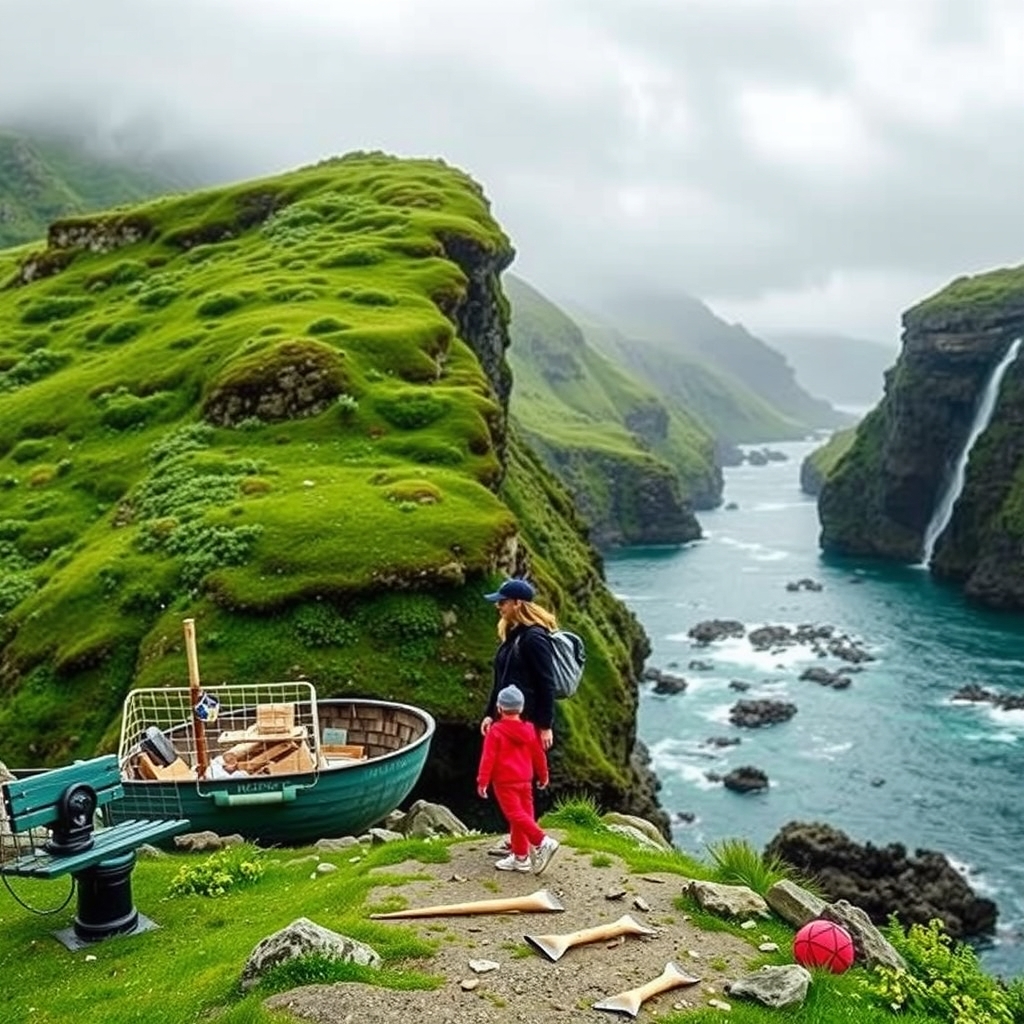
Ireland is a land defined by its dramatic coastlines, rolling green hills, and a profound sense of heritage. Often referred to as the Emerald Isle, it offers a blend of vibrant urban energy in cities like Dublin and Galway, contrasted by the profound silence of its wild, windswept rural landscapes. Whether you are seeking literary history, traditional music, or rugged outdoor adventure, Ireland provides a deeply rewarding experience for the curious traveler.
Highlights and Cultural Landscapes
The Wild Atlantic Way is perhaps the most iconic route for visitors, spanning the west coast with cliff-side views and intimate seaside villages. Key stops often include the Cliffs of Moher and the colorful streets of Dingle. In the east, the Wicklow Mountains offer accessible hiking paths through ancient glacial valleys and historical monastic sites.
Cultural immersion is best found in local pubs, which serve as the heartbeat of Irish social life. Beyond a pint of stout, these venues are frequently home to traditional music sessions. Taking the time to explore small, independent bookstores and artisan markets in cities like Cork or Galway provides a authentic glimpse into modern Irish craftsmanship.
Planning and Transportation
The most flexible way to traverse the Irish countryside is by renting a car, which allows for spontaneous stops along winding country lanes. Keep in mind that driving occurs on the left side of the road, and rural roads can be quite narrow. Alternatively, the national rail network connects major cities efficiently, though reaching more remote coastal areas will require supplementary bus services or local transfers.
Packing for Ireland requires a pragmatic approach to weather. Rain is common throughout the year, regardless of the season. Layers are essential, as temperatures can fluctuate rapidly within a single day. A high-quality, waterproof outer shell is the most important item in any traveler’s suitcase.
Etiquette and Practical Tips
The Irish people are known for their conversational nature and hospitality. Engaging in friendly conversation is standard, and travelers will find that locals are often happy to provide recommendations for less-traveled paths. While tipping is not mandatory in the same way as in some other regions, rounding up the bill or leaving a modest tip in restaurants for good service is appreciated.
Respecting the environment is crucial, especially when exploring popular natural sites. Staying on marked trails protects fragile vegetation and helps manage erosion. Furthermore, many areas are private farmlands; always ensure that gates are left as they are found and that no waste is left behind.
Budget Considerations
Ireland can accommodate a variety of budgets, though it is generally considered a mid-to-high cost destination. Accommodation prices tend to be higher in Dublin and popular tourist hotspots during the summer months. Travelers can find significant value by staying in traditional Bed and Breakfast establishments, which often include a hearty, locally sourced breakfast that can keep you energized for a full day of sightseeing.
To manage costs, consider visiting during the shoulder seasons of spring or autumn. Not only are prices often more competitive, but the sites are less crowded, allowing for a more tranquil experience. Utilizing public transport where possible and purchasing groceries at local markets for picnic lunches can also help balance a daily travel budget.
Conclusion
A journey through Ireland is less about checking items off a list and more about embracing the rhythm of the land and its people. By remaining curious, respecting the landscape, and keeping a flexible itinerary, you will find that the true magic of the island lies in its unexpected moments—the warmth of a quiet village fire, the story shared by a local, or the sudden break of light over a rugged mountain peak.