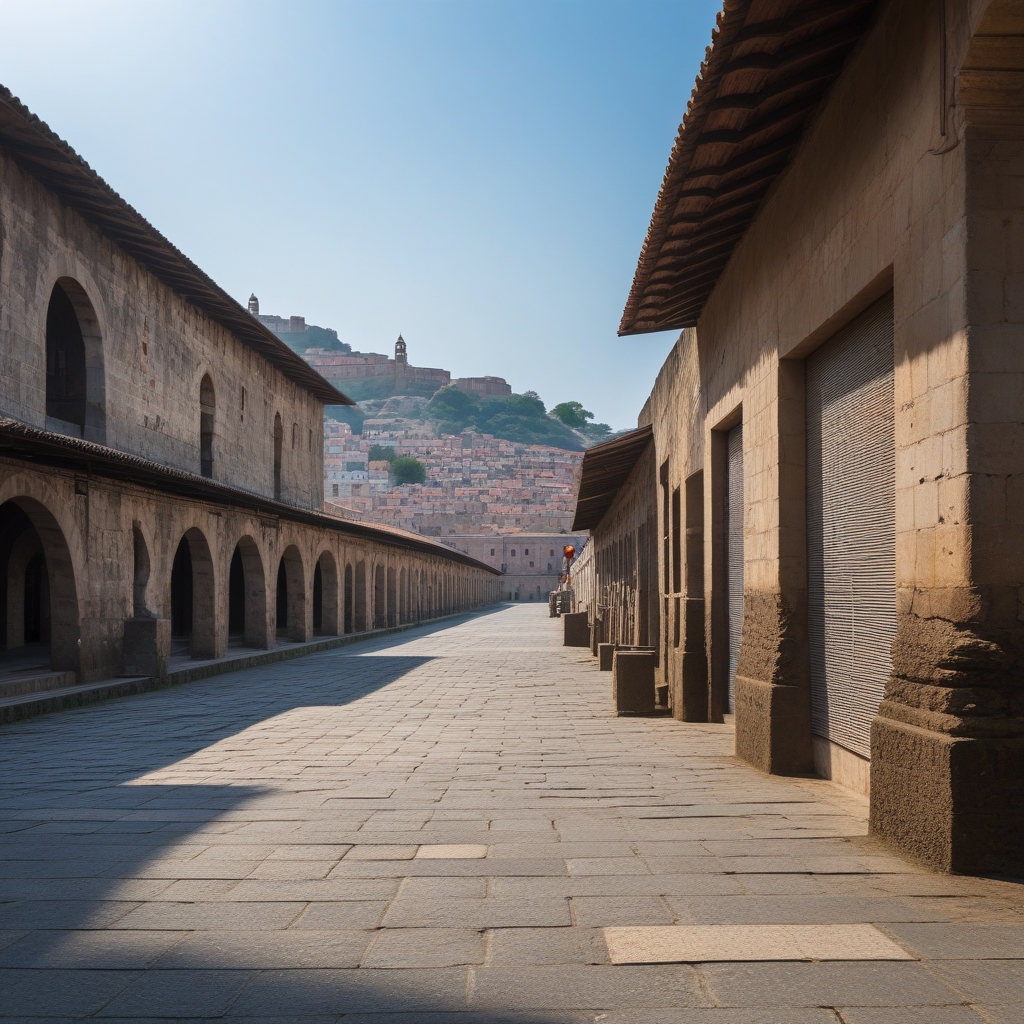
Perched on a narrow rocky promontory overlooking two natural harbors, Valletta stands as one of Europe's most concentrated historic capitals. Built by the Knights of St. John in the sixteenth century, the city functions as a massive open-air museum defined by high limestone walls, steep staircases, and traditional colorful wooden balconies. For first-time travelers, navigating this densely packed peninsula offers a rewarding introduction to Mediterranean history, architecture, and daily island life.
Planning a journey here requires understanding that the city operates largely as a pedestrian zone. Steep slopes and historic cobblestone lanes mean that comfortable walking shoes are essential. While the layout is compact enough to cross on foot in under thirty minutes, taking time to absorb the architectural details and harbor views prevents you from missing the finer points of the destination.
Before you arrive, checking seasonal weather patterns and local transit options will help smooth out your daily itinerary. Summers bring intense heat and bright sunlight, making spring and autumn favorable times for comfortable sightseeing. Whether you are stepping off a ferry or arriving by bus, knowing how the city connects to the rest of the island sets the stage for a smooth holiday.
Navigating Valletta Layout and Main Neighborhoods
The city follows a gridiron street plan designed to allow sea breezes to cool the interior and to facilitate military defense. Republic Street serves as the central spine, running straight from the City Gate down to St. Elmo Point at the tip of the peninsula. Parallel to it, Merchants Street offers a slightly quieter parallel thoroughfare packed with historic palazzos and neighborhood shops.
As you move toward the edges of the grid, the streets slope downward toward the water, revealing sweeping bastions and fortifications. Neighborhood dynamics shift subtly as you wander away from the main tourist paths into quieter residential quarters where drying laundry hangs from upper-floor balconies and small corner grocers serve local residents.
Essential Landmarks and Architectural Sights
St. John's Co-Cathedral is perhaps the most famous architectural masterpiece within the capital. Its austere Mannerist exterior contrasts sharply with a high baroque interior covered in gilded carvings, painted vaulted ceilings, and priceless works of art including masterpieces by Caravaggio.
Moving toward the harbor edge, the Upper Barrakka Gardens offer a tranquil green space alongside panoramic views across the Grand Harbour toward the historic Three Cities. Nearby, the grand Palace of the Grand Master reflects the centuries of governance that shaped the political identity of the islands.
Public Transit and Getting Around
Valletta functions as the central hub for the entire island's public bus network. The main bus terminus sits immediately outside the historic City Gate, making regional day trips straightforward without needing a rental car.
Within the city walls, vehicular traffic is heavily restricted, and many streets are entirely pedestrianized. This makes walking the primary method of transport. For crossing the water, traditional harbor ferries and modern water taxis connect the capital to Sliema and the Three Cities quickly and efficiently.
Local Food Culture and Dining Customs
Maltese cuisine draws heavy influences from Sicilian, North African, and British culinary traditions. Local bakeries and cafes frequently serve pastizzi, a flaky pastry filled with either ricotta cheese or mushy peas, making them a popular and inexpensive snack for mid-day exploration.
Seafood features prominently in local taverns, alongside hearty rabbit stews, local cheeses, and crusty artisanal bread. Dining schedules often lean later in the evening, particularly during warmer months when outdoor tables fill up along the sloping side streets.
Budget Planning and Practical Expenses
Visiting the capital can accommodate a range of budgets, though accommodation within the historic fortifications tends to command a premium due to limited space. Opting for guesthouses housed in converted historic townhouses provides an authentic lodging experience.
While exploring the streets, churches, and harbor viewpoints is free, major indoor attractions and historic sites charge admission fees. Purchasing combined tickets or regional transit cards can help manage daily expenses efficiently during your stay.
Common Visitor Mistakes to Avoid
A frequent error among first-time visitors is underestimating the physical effort required to walk up and down the steep hillside streets. Planning a route that works with the topography rather than against it saves energy throughout the day.
Another common misstep is dressing inappropriately when visiting religious sites. Out of respect for local customs, travelers should ensure their shoulders and knees are covered before entering churches and places of worship.
Conclusion
Visiting Valletta offers a compelling blend of deep military history, distinctive Mediterranean architecture, and vibrant urban culture. By taking the time to explore its grid-like streets on foot, utilizing the central bus and ferry connections, and respecting local dining and dress customs, your first journey to this fortified capital will be both smooth and deeply memorable.