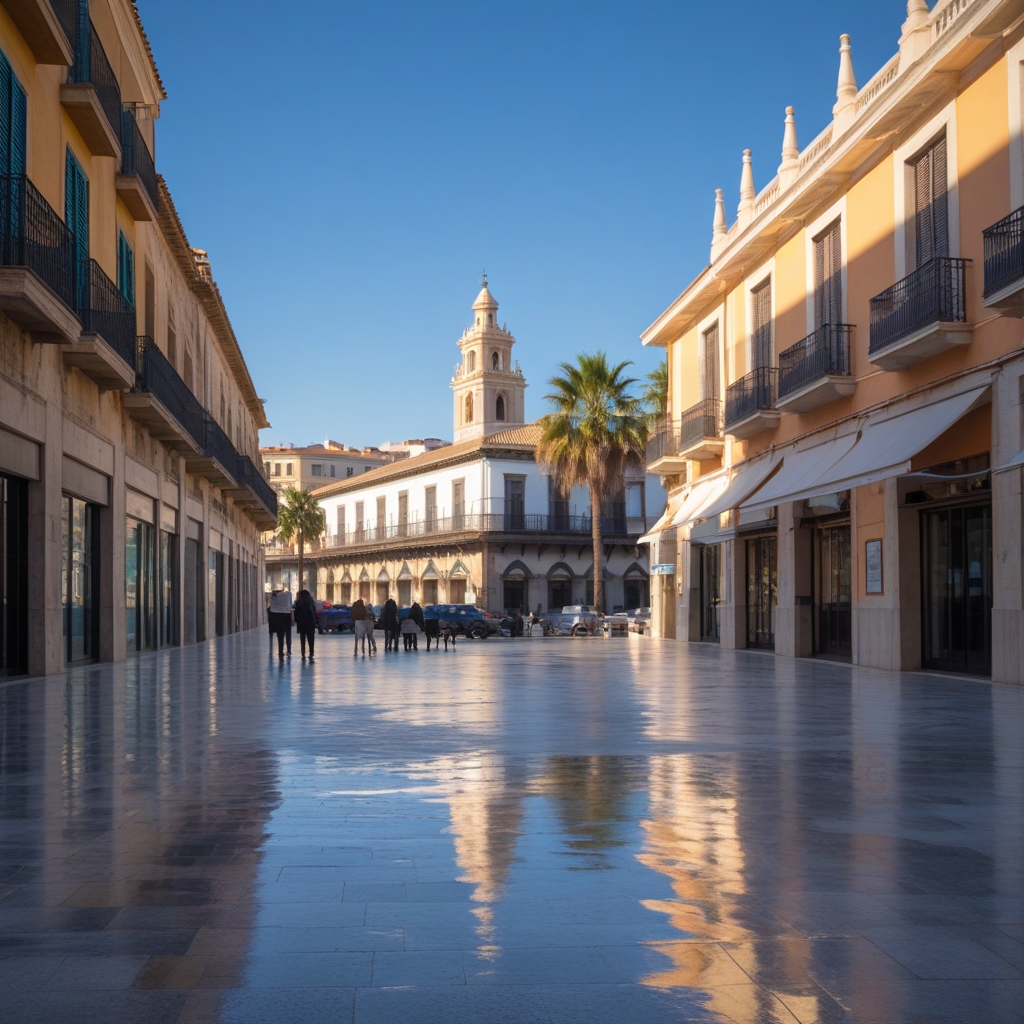
Nestled along the sun-drenched southern coast of Spain, Malaga offers an appealing blend of deep historical roots, a bustling port atmosphere, and a thriving arts scene. Long overlooked by travelers rushing directly to other Andalusian inland hubs, this coastal city has steadily grown into a compelling destination in its own right. Visitors are often drawn to its walkable historic center, world-class museums dedicated to Pablo Picasso, and vibrant culinary traditions.
Planning a first trip here requires a bit of orientation to make the most of your time. The city seamlessly combines Moorish architecture with contemporary urban spaces, creating an environment that rewards both structured sightseeing and slow-paced wandering. Understanding how the neighborhoods connect and how the local transportation networks operate will ensure a smooth and enjoyable visit.
Navigating Key City Neighborhoods
The historic center, known locally as El Centro, serves as the main focal point for most visitors. Characterized by narrow pedestrianized streets, historic squares, and lively pavement cafes, this area puts you within walking distance of many top attractions. It is largely flat and easy to explore on foot, making it the most convenient base for a short stay.
Just beyond the historic core lies Soho, an area known for its urban street art, creative galleries, and independent eateries. To the east, the beachfront neighborhoods of Malagueta and Pedregalejo offer a completely different atmosphere. These seaside districts are famous for their traditional chiringuitos, or beach bars, serving freshly grilled seafood right on the sand.
Understanding Public Transit and Getting Around
Malaga is an exceptionally pedestrian-friendly city, and walking remains the best way to absorb the atmosphere of the center. For longer distances, the local bus network, operated by EMT, covers the entire metropolitan area efficiently. Buses connect the downtown core with the outer beaches and residential neighborhoods with regular schedules.
The city also features a modern metro system with lines connecting parts of the center to the western districts and the main transportation hubs. Taxis are widely available and reasonably priced, while ride-hailing applications operate within the city. For trips further afield along the coastline, regional buses and commuter trains link Malaga to nearby towns and the international airport.
Essential Sights and Cultural Highlights
At the heart of the city's historical heritage stand the Alcazaba, a grand Moorish fortification offering sweeping views over the port, and the nearby Roman Theatre ruins at the foot of the hill. Higher up on the mountain overlooking the city sits the Gibralfaro Castle, which can be reached by a steep walking path or local bus.
Art enthusiasts will find plenty to explore, starting with the Picasso Museum, located in the Renaissance-style Palacio de Buenavista, which honors the city's most famous artistic son. The contemporary art center and the Pompidou Centre branch down by the revitalized port area further highlight Malaga's modern cultural identity.
Local Dining and Culinary Traditions
Malaga's culinary scene heavily reflects its coastal location. Traditional eateries and bustling tapas bars serve local specialties such as espetos, which are skewers of sardines roasted over open coals on the beach, and pescaíto frito, a variety of small fried fish.
For a classic local experience, stepping into one of the traditional taverns or visiting the central market of Atarazanas offers a glimpse into daily life. Here, vendors sell fresh produce, local cheeses, and regional sweet wines from the surrounding hills, providing an authentic taste of Andalusia.
Practical Planning and Safety Tips
When planning your visit, keep in mind that summer temperatures can become quite intense during the middle of the day. Many local businesses observe a midday break, and adjusting your schedule to explore early in the morning or later in the evening will make sightseeing much more comfortable.
The city is generally safe for travelers, though standard urban precautions regarding personal belongings apply in crowded areas, public transport stations, and busy tourist spots. English is widely spoken in hotels and major attractions, but learning a few basic phrases of Spanish is always appreciated by local residents.
Conclusion
A journey to Malaga offers a rewarding mix of coastal relaxation, historical exploration, and cultural discovery. By familiarizing yourself with the layout of the neighborhoods, understanding the public transit options, and keeping a flexible schedule, you can easily experience the distinct character of this Andalusian coastal city. Always verify current operating hours and transport schedules with official local sources before your departure to ensure a seamless travel experience.