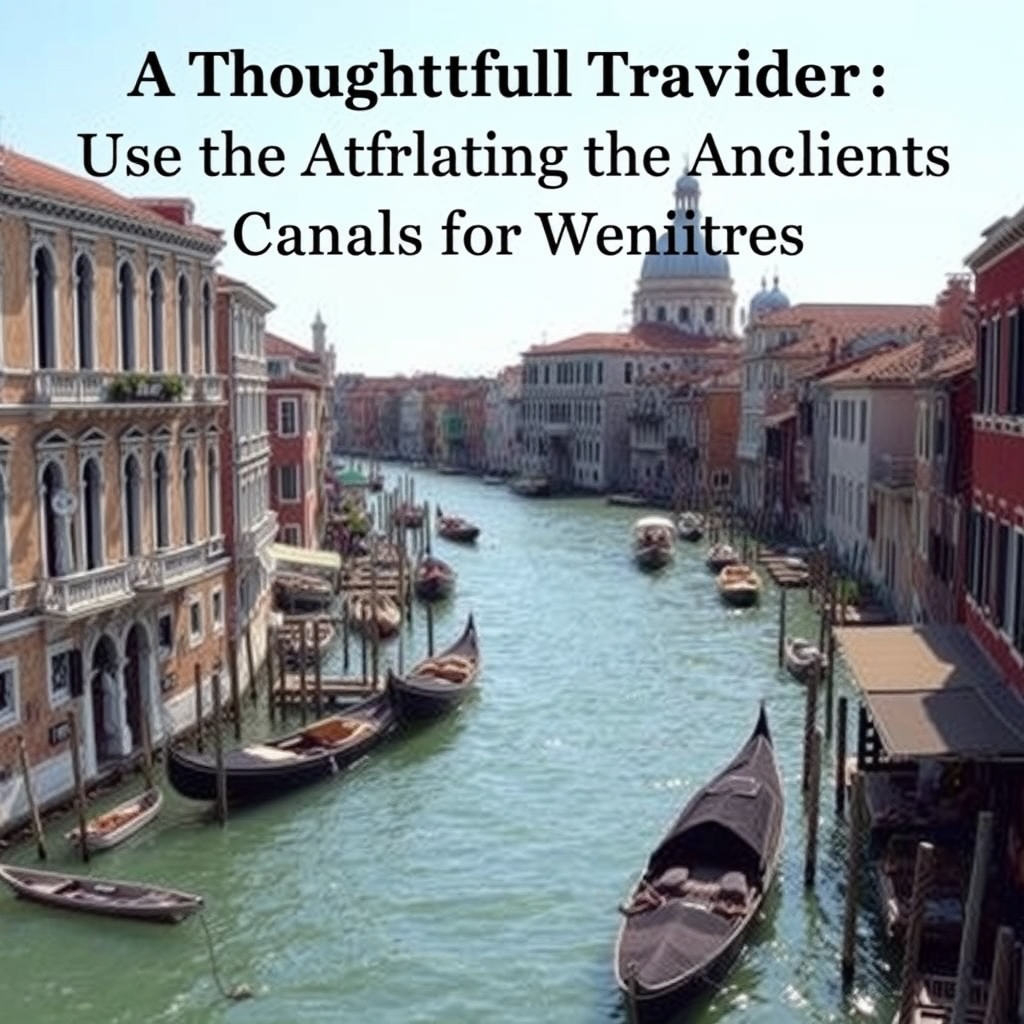
Venice is a city that defies standard geography, built upon a network of canals that have served as the lifeblood of its culture for centuries. Navigating this labyrinthine masterpiece requires a blend of curiosity, patience, and preparation. By moving beyond the bustling squares, travelers can uncover a timeless character that has persisted through generations.
Embracing the Rhythm of the Waterways
The primary mode of transit in Venice is the vaporetti, or public water bus, which follows routes along the Grand Canal. For those looking to traverse deeper into the city, smaller footbridges and pedestrian alleys offer a more intimate view of daily life. Walking allows you to stumble upon local artisans, quiet squares known as campi, and historic architecture that is often missed when staying solely on the main thoroughfares.
To reach the islands of the lagoon, such as Murano or Burano, regional water buses are readily available. These journeys provide a fresh perspective on the city from the water and offer a glimpse into the regional manufacturing history that defines Venetian commerce.
Practical Planning and Budgeting
Travelers often find that the most economical way to experience Venice is by utilizing travel passes for the water transport system. Planning your routes ahead of time can maximize these passes and save significant time. Regarding accommodations, staying outside the immediate vicinity of St. Marks Square can often result in a more authentic neighborhood experience while also being more budget-conscious.
Dining in Venice is an art form centered around cicchetti, which are small snacks served in traditional local bars called bacari. Opting for these bites at lunch rather than formal sit-down meals can offer a diverse culinary experience that is both affordable and deeply embedded in Venetian tradition.
Cultural Etiquette and Preservation
Venice is a living city, not merely a museum. It is essential to respect the residential character of its neighborhoods by maintaining a quiet demeanor and ensuring that narrow walkways remain clear for locals. Littering is strictly discouraged, and visitors are expected to observe modest dress codes when entering sacred sites and historic churches.
Conservation is a critical concern for the city. Travelers are encouraged to use reusable water bottles at the many public fountains, which provide high-quality drinking water throughout the islands, thereby reducing the consumption of single-use plastics.
Conclusion
Visiting Venice is an opportunity to slow down and appreciate the intricate connections between human ingenuity and the natural environment. By approaching the city with intention and respect for its delicate infrastructure, you ensure that this floating wonder remains as vibrant for those who come after you as it is today.