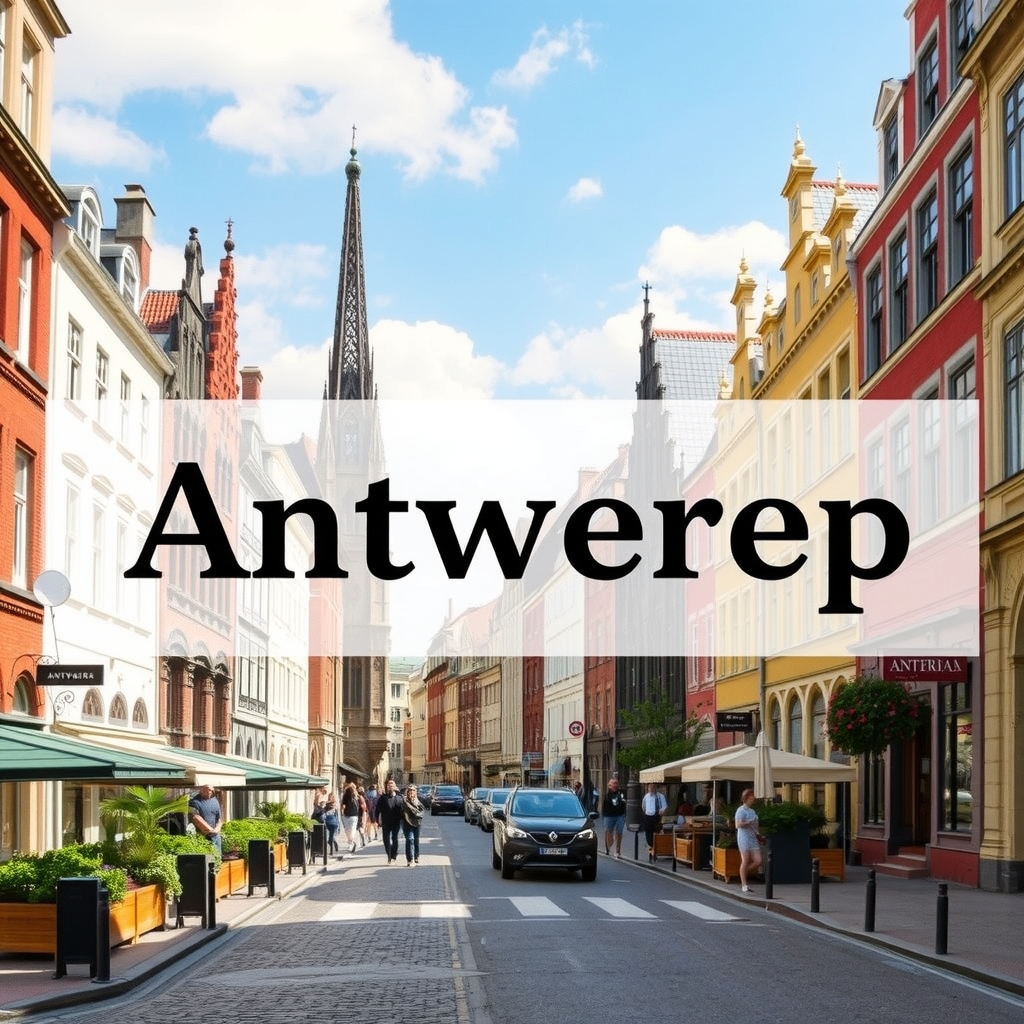
Antwerp blends a rich medieval trading history with a forward-looking creative spirit, making it a compelling destination for first-time visitors to Belgium. Positioned along the Scheldt River, the city grew from a modest medieval port into one of Europe's most influential commercial and artistic hubs. Today, visitors find a compact urban center where gothic architecture stands shoulder-to-shoulder with cutting-edge fashion boutiques, innovative contemporary restaurants, and centuries-old diamond trading quarters.
Choosing Antwerp for a short break or an extended holiday suits travelers who enjoy walkable cities with strong cultural identities. Unlike some of its larger European neighbors, Antwerp allows you to move effortlessly from cobblestone squares to modern docklands without relying heavily on cars. Whether you are coming to view the masterworks of Peter Paul Rubens in their original settings, explore independent design shops, or sample local culinary specialties, understanding how the city is laid out makes planning much smoother.
Before you pack your bags, keep in mind that Antwerp operates at a relaxed yet purposeful pace. While many residents speak fluent English alongside Dutch, learning a few basic phrases goes a long way. Weather can shift quickly, and public transit relies on a mixture of trams and buses that connect every major district. Taking a little time to research neighborhoods, transport rules, and local customs will help you avoid common tourist pitfalls and make the most of your time in the city.
Core Neighborhoods to Explore
Antwerp is divided into distinct districts, each offering a completely different atmosphere. The Historic Center, known locally as the Grote Markt, serves as the natural starting point for most travelers. Here, you will find guild houses with ornate facades, the grand Cathedral of Our Lady, and narrow lanes that invite slow-paced wandering without a rigid itinerary.
Just south of the center lies the trendy neighborhood of Het Zuid. Characterized by wide nineteenth-century boulevards, art galleries, and numerous coffee shops, this area attracts locals looking to unwind. It also houses major cultural institutions like the Royal Museum of Fine Arts. Meanwhile, the area surrounding Antwerp Central Station is known for its diverse culinary scene, historic architecture, and the bustling diamond district.
Essential Sights and Cultural Landmarks
Art and architecture define much of Antwerp's appeal. The Cathedral of Our Lady houses several towering masterpieces by Peter Paul Rubens, offering a direct link to the Flemish Baroque period. For a glimpse into the domestic life of the artist, you can visit the Rubenshuis, where he lived and worked for many years.
Beyond historic art, the city embraces modern design and maritime heritage. The MAS Museum on the waterfront provides panoramic views of the port and city skyline from its rooftop terrace. Architecture enthusiasts should also take time to appreciate the striking interior of Antwerp Central Station, frequently cited as one of the most magnificent railway stations in the world.
A Practical Three-Day Exploration Plan
Spending three days in Antwerp gives you enough time to experience the main highlights without rushing. On your first day, focus on the Historic Center. Walk from the central square toward the riverfront, visit the cathedral, and spend the afternoon exploring the narrow alleys near the Scheldt.
Dedicate your second day to the southern neighborhoods, starting with museum visits in Het Zuid followed by leisurely strolls down residential streets lined with unique boutiques. On your third day, explore the area around the central station, visit local markets, or take a short tram ride to the harbor area to experience the modern side of the city's maritime culture.
Navigating Public Transit
Antwerp is an exceptionally walkable city, particularly within the historic core. Most major attractions sit within a comfortable walking distance of one another. For longer journeys or trips to adjacent neighborhoods, the local public transit network operated by De Lijn offers an extensive system of trams and buses.
Purchasing tickets in advance or using contactless payment methods directly on board makes getting around straightforward. Bicycles are also immensely popular, with dedicated lanes crisscrossing the city. Visitors can easily rent public bikes for short periods to navigate the streets like a local.
Local Food and Dining Culture
Flemish cuisine emphasizes hearty ingredients, fresh seafood, and classic comfort dishes. When dining out, you will encounter traditional brasseries serving local stews, hand-cut fries accompanied by various sauces, and fresh North Sea mussels when in season. Do not miss local bakeries offering Antwerp hand-shaped biscuits known as Antwerpse Handjes.
The city's dining scene has also evolved to include diverse international eateries, contemporary vegan cafes, and innovative tasting-menu establishments. Traditional brown cafes remain the best spots to sample Belgium's famous brewed beverages in a relaxed, social atmosphere.
Budget Considerations and Practical Tips
Antwerp accommodates various budgets, though costs for lodging and dining can rise in the historic center and trendy southern districts. Travelers looking to manage expenses often choose accommodations slightly outside the immediate core while remaining close to a tram line.
Many museums offer discounted entry rates or participate in city card programs that bundle transit and attraction access. Weather can be unpredictable throughout the year, so carrying a lightweight waterproof jacket is always a sensible precaution regardless of the season.
Conclusion
Visiting Antwerp offers a rewarding balance of deep historical heritage and vibrant contemporary culture. By taking time to wander through its varied neighborhoods, sample local culinary staples, and navigate the city at an unhurried pace, you will gain a genuine appreciation for this dynamic Belgian destination. Plan your route, keep your plans flexible, and enjoy everything the city has to offer.