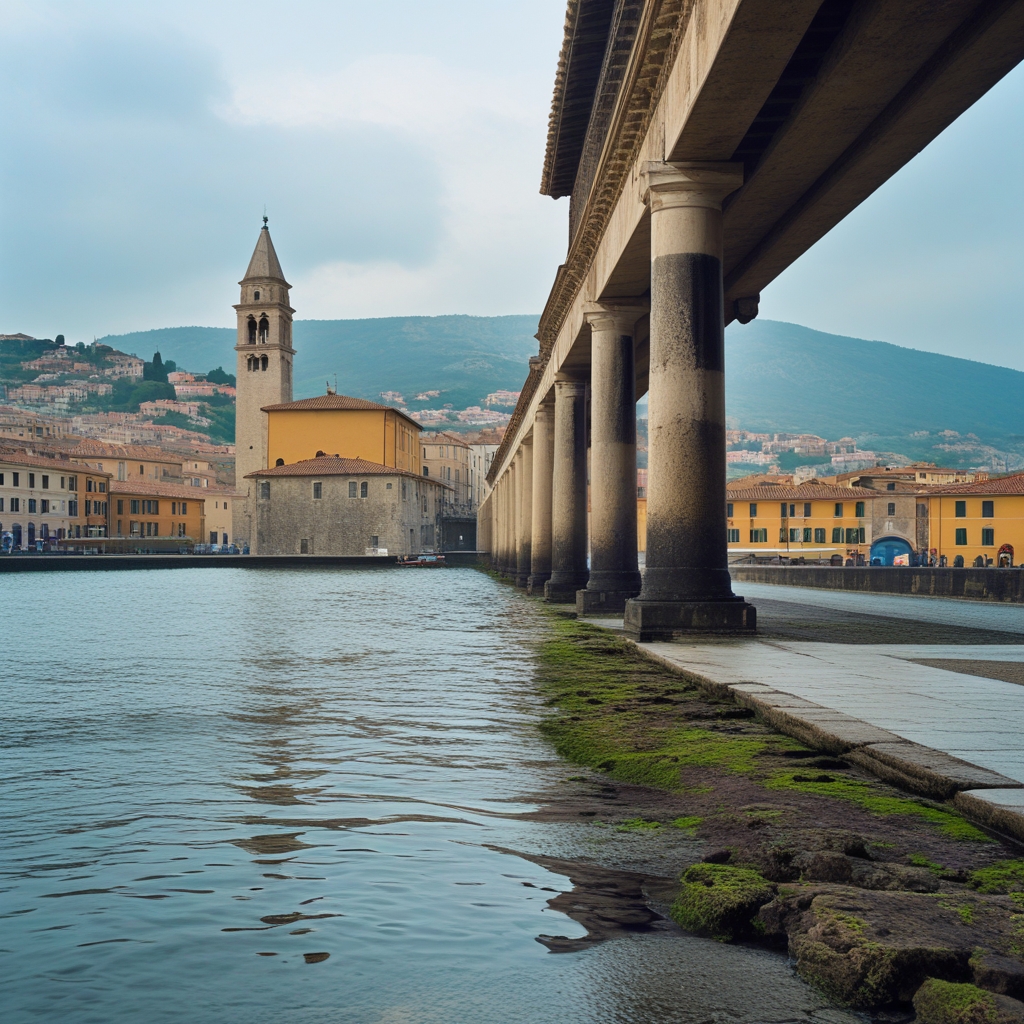
Bilbao sits nestled in a lush valley of northern Spain, balancing its industrial roots with a bold modern identity defined by world-class architecture and a celebrated culinary scene. For first-time visitors, the city offers an approachable scale that makes exploring on foot both rewarding and manageable. Whether you are planning to spend a few days admiring contemporary art or sampling traditional pintxos in narrow medieval lanes, understanding how the city is laid out will help you navigate your journey with confidence.
Navigating Key Neighborhoods
The Casco Viejo, or Old Town, forms the historic core of Bilbao with its lively pedestrian streets known as the Siete Calles. Here you will find centuries-old buildings, small shops, and bustling plazas that come alive in the late afternoon and evening. Across the river lies the Ensanche, the nineteenth-century expansion characterized by grand boulevards, upscale shopping, and elegant apartment blocks.
Further along the Nervión River, Abandoibarra represents the contemporary transformation of the city. This revitalized dockland area hosts major architectural landmarks and green public spaces, creating a sharp contrast with the historic labyrinth of the Old Town. Moving between these distinct districts allows you to experience the full spectrum of Bilbao history and design in a single afternoon.
Using Public Transit
Bilbao features an efficient and clean public transit network operated by Metro Bilbao, which was famously designed by architect Norman Foster. The system consists of two main lines running along both banks of the estuary, connecting the metropolitan area quickly and reliably. Station entrances, marked by glass structures known locally as fosteritos, are easy to spot across the city streets.
In addition to the metro, the city relies on a modern tram network that loops past several key cultural attractions, alongside an extensive municipal bus service called Bilbobus. For most visitors, purchasing a contactless reloadable transit card simplifies daily travel across all modes of public transportation, offering reduced fares compared to single paper tickets.
Sampling Local Culinary Traditions
The food culture in Bilbao centers around pintxos, the Basque version of tapas served on small slices of bread and secured with toothpicks. Walking into a traditional bar in the Old Town reveals wooden counters loaded with colorful bite-sized creations, ranging from simple anchovy combinations to warm, elaborate cooked portions ordered directly from the kitchen.
Dining customs here differ slightly from other regions of Spain, with locals often hopping from one bar to another rather than sitting down for a long, single-location meal. Ordering a local sparkling white wine known as txakoli alongside your food provides an authentic pairing that complements the distinct flavors of the local cuisine.
Weather and Seasonal Planning
Located in the Basque Country, Bilbao experiences an oceanic climate characterized by moderate temperatures and notable rainfall throughout the year. Summers are generally warm and pleasant, making it a popular period for travelers, while winters bring cooler days and frequent coastal showers that keep the surrounding hillsides intensely green.
Packing layers and carrying a reliable waterproof jacket is essential regardless of the season you choose to visit. Checking local weather forecasts before heading out on walking tours ensures you remain comfortable while exploring outdoor sights like the riverbanks and public parks.
Practical Etiquette and Tips
Basque culture is distinct, and while Spanish is spoken universally, you will see local road signs and notices displayed in Euskara, the regional Basque language. Learning a few basic greeting phrases in either language is always appreciated by local residents and shop owners.
Pacing is important when dining out, as many traditional establishments observe afternoon breaks between lunch and dinner service. Planning your sightseeing around these standard meal times helps avoid closed doors, and checking official websites for current attraction hours ensures smooth daily itineraries.
Conclusion
Preparing for a journey to Bilbao involves balancing time between its historic alleys and modern riverfront marvels. By familiarizing yourself with the transit system, neighborhood layouts, and regional dining habits, you can enjoy a seamless and memorable introduction to this dynamic northern Spanish destination.