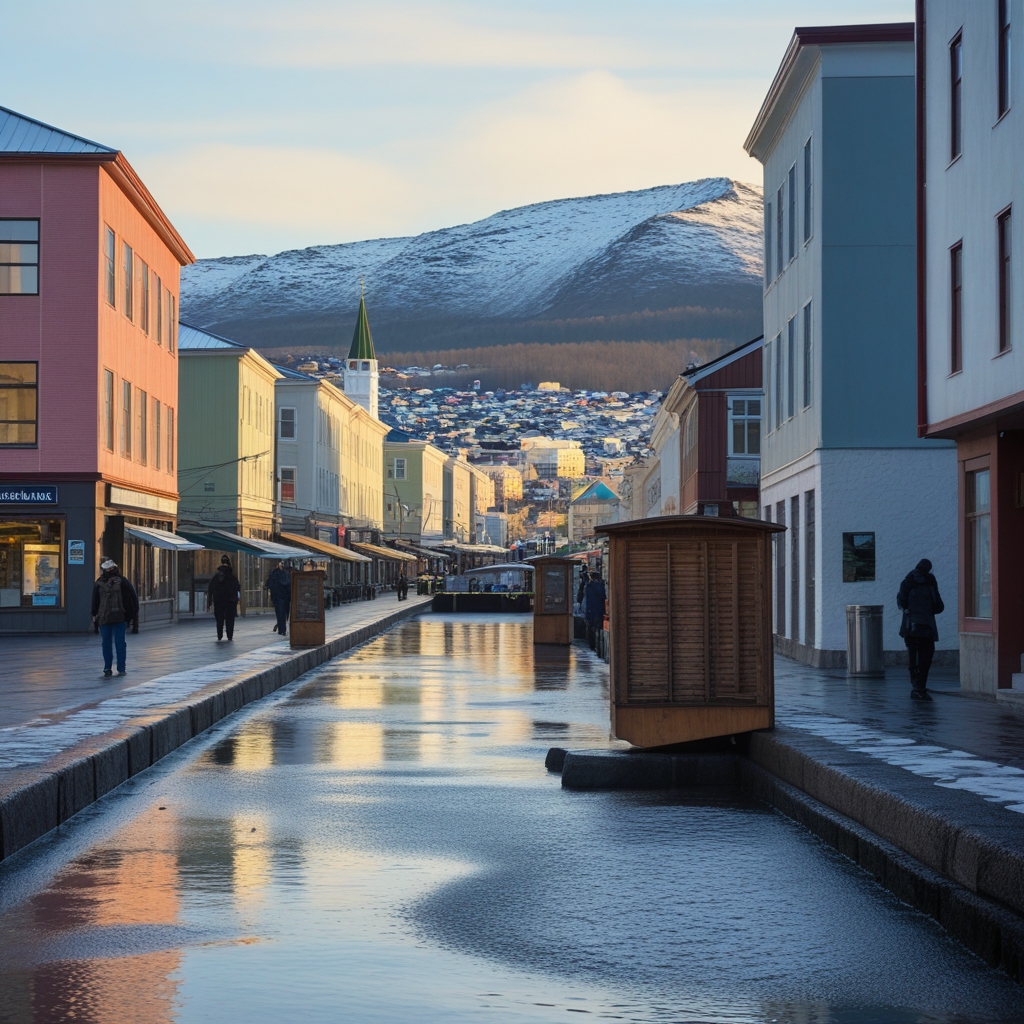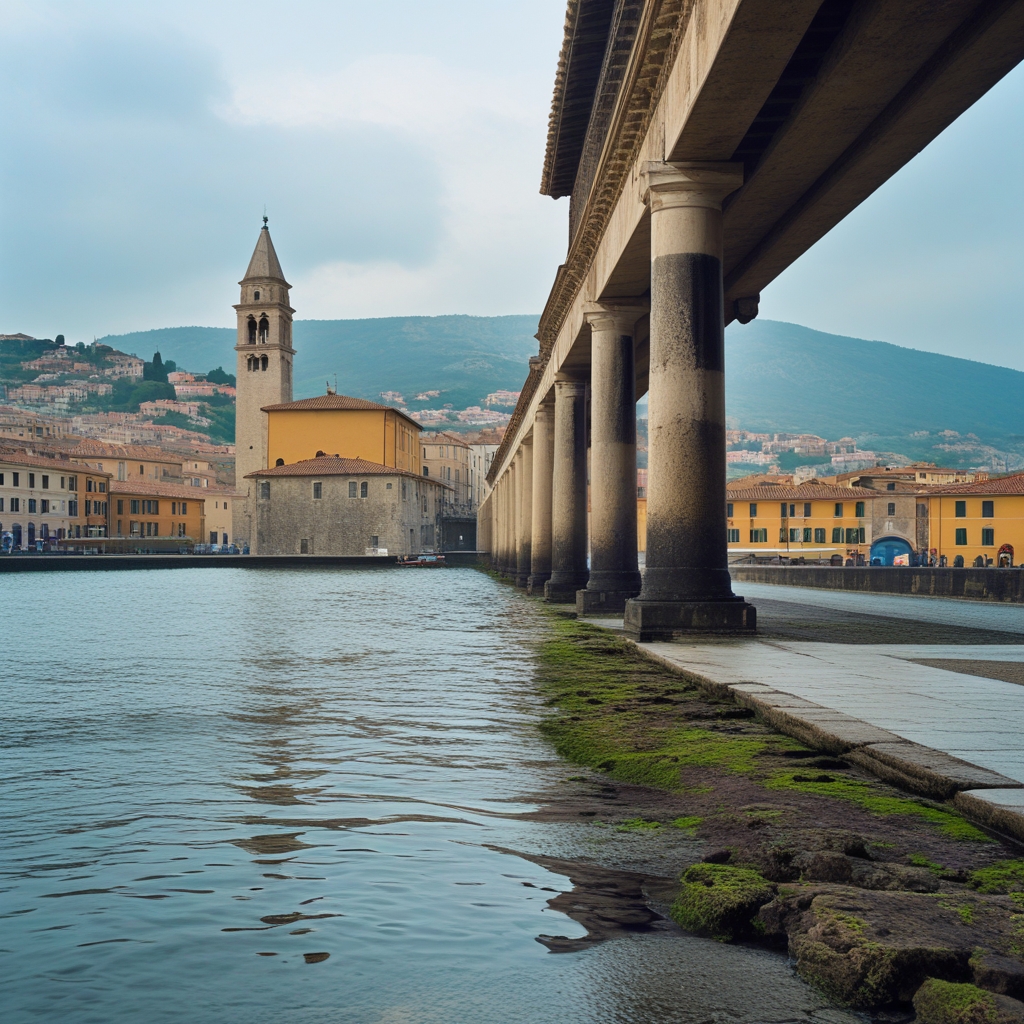
Genoa often surprises first-time visitors with its dramatic coastal setting, where tightly packed pastel buildings cascade down steep hillsides right into the blue waters of the Ligurian Sea. As a historic maritime republic, the city boasts a dense network of medieval alleyways known as caruggi, grand Renaissance palaces, and a bustling working port that has shaped its identity for centuries. Unlike other major Italian destinations that cater entirely to mass tourism, Genoa retains an authentic, lived-in atmosphere where daily life unfolds among centuries-old monuments.
Preparing for a trip here means understanding that the city is vertical and compact. Navigating its labyrinthine streets requires sturdy walking shoes and a willingness to explore on foot, supplemented by a unique public transit network that includes public elevators and funiculars climbing the cliffs. Whether you are drawn by the maritime heritage, the world-class art collections, or the chance to taste authentic pesto at its source, taking time to understand the local layout will make your stay much smoother.
Core Neighborhoods to Know
The historic center is one of the largest medieval quarters in Europe, characterized by an intricate web of narrow alleys where sunlight barely reaches the ground at street level. This area centers around the lively Piazza de Ferrari, considered the modern heart of the city, framed by grand civic buildings and a dramatic central fountain.
Just to the south lies the elegant residential and shopping district of Albaro, offering wide avenues and liberty-style villas stretching toward the coastline. Meanwhile, the Porto Antico area, redesigned by architect Renzo Piano, serves as the primary hub for leisure, featuring cultural attractions, museums, and waterfront promenades that connect the city back to its maritime roots.
Essential Sights and Landmarks
Genoa is famous for the Palazzi dei Rolli, a system of aristocratic palaces lining Via Garibaldi and surrounding streets that have earned UNESCO World Heritage status. Visitors can tour several of these magnificent residences, which now function as museums and cultural institutions showcasing rich frescoes and fine art.
Another unmistakable landmark is the Lanterna, the historic lighthouse standing tall at the edge of the harbor, serving as a timeless symbol of the city's seafaring legacy. Nearby, the grand Genoa Cathedral, dedicated to Saint Lawrence, features a striking striped black-and-white marble facade that reflects the architectural styles of medieval Liguria.
Navigating Local Public Transit
Getting around Genoa without a car is remarkably straightforward thanks to an integrated public transit system managed by AMT. The network includes an underground metro line, an extensive bus grid, and commuter trains that link the central districts with suburban coastal neighborhoods.
What makes transit here uniquely fascinating is the vertical transport system. Several historic funiculars, public elevators, and even a rack railway lift commuters and travelers from the bustling waterfront straight up to panoramic hilltop viewpoints like Righi, offering effortless access to sweeping vistas without strenuous climbing.
Ligurian Food and Dining Culture
Genoese cuisine is deeply tied to the herbs, olive oil, and vegetables of the surrounding hills, combined with the bounty of the Mediterranean Sea. Pesto Genovese originates here, traditionally crafted with fresh basil, pine nuts, garlic, parmesan, and local extra virgin olive oil using a marble mortar and wooden pestle.
Visitors will also find bakeries serving focaccia genovese at nearly every corner, eaten plain or topped with onions, olives, or cheese throughout the day. Seafood dishes like buridda, a savory fish stew, and fried anchovies feature prominently on local trattoria menus alongside traditional savory tarts filled with greens and soft cheeses.
Practical Planning and Safety Tips
When planning when to visit, spring and early autumn offer mild weather ideal for walking, while avoiding the intense heat of midsummer. Packing comfortable footwear with good traction is essential, as the steep cobblestone streets and stone staircases can become slippery.
Like any major port city, keeping an eye on your belongings is wise, particularly in crowded transit hubs and within the dense alleys of the old town after dark. Checking official tourism resources before travel ensures you have up-to-date information regarding museum operating hours and seasonal transport schedules.
Conclusion
A journey to Genoa rewards travelers who appreciate history, maritime culture, and authentic Italian daily life far from heavily touristed paths. By familiarizing yourself with the vertical layout, mastering the public transit elevators, and taking time to explore the historic neighborhoods at a measured pace, you can experience the true spirit of this remarkable Ligurian port.