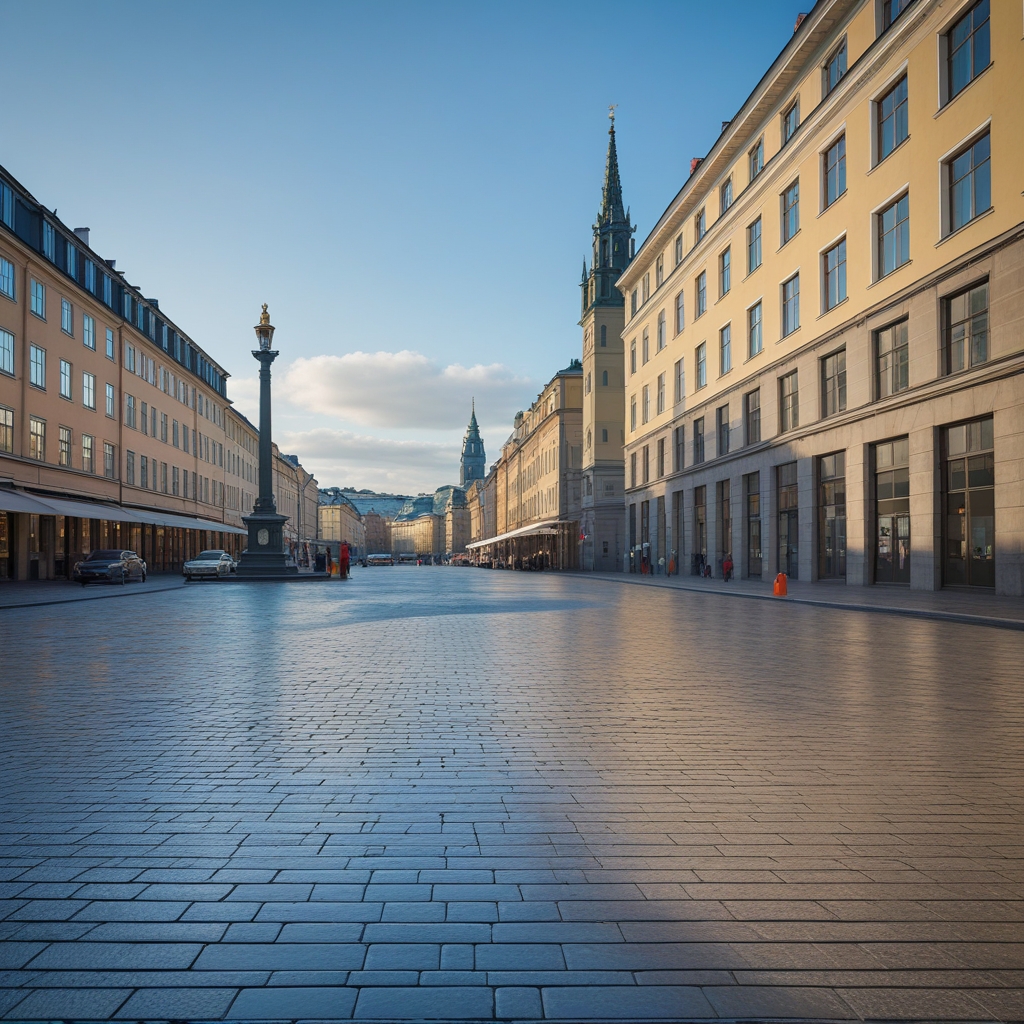
Sprawling across fourteen islands where Lake Malaren meets the Baltic Sea, Stockholm balances grand historic architecture with a forward-looking design sensibility. For the first-time visitor, understanding how the city is stitched together by bridges, ferries, and an efficient metro system makes navigation remarkably straightforward. The Swedish capital suits travelers who appreciate clean urban spaces, maritime views, and a steady rhythm that shifts smoothly between bustling commercial hubs and quiet green expanses.
Before you pack your bags, it helps to understand the city's seasonal character. Winters bring short days and a cozy indoor culture, while summers stretch out with long hours of daylight that draw locals outdoors to parks and waterfront promenades. Regardless of when you arrive, a bit of preparation regarding local transport, neighborhood layouts, and everyday customs ensures a smooth and rewarding experience.
Navigating Neighborhoods
Stockholm is defined by distinct districts, each offering a different atmosphere. Gamla Stan, the medieval old town, features narrow cobblestone alleys, ochre-colored buildings, and historic squares like Riddarholmen. While it can draw significant crowds during peak hours, wandering its labyrinthine streets remains a quintessential starting point.
Just north of the old town lies Norrmalm, the modern commercial center characterized by department stores, office buildings, and busy transit hubs like T-Centralen. Across the water to the east is Ostermalm, known for upscale residential streets, grand nineteenth-century apartment blocks, and lively food markets.
For a more bohemian vibe, head south to Sodermalm. This hilly district features independent boutiques, vintage shops, cozy cafes, and panoramic viewpoints overlooking the water from Monteliusvagen. Savoring the relaxed pace here provides a nice contrast to the more formal sights in the center.
Getting Around Using Public Transit
The public transportation network managed by SL is clean, reliable, and integrated across buses, commuter trains, the metro system, and inner-city ferries. Buying a contactless ticket or using a travel card allows seamless transfers between different modes of transport without needing separate tickets for each leg of your journey.
The underground metro network, known locally as the T-Bana, functions as an underground art gallery, with many stations featuring installations, rock-carved caverns, and vibrant murals. Commuter ferries also provide a practical and scenic way to hop between islands, offering great views of the waterfront without requiring a dedicated sightseeing cruise.
Essential Sights and Museums
On the island of Djurgarden, you will find several of the city's most visited cultural institutions. The Vasa Museum houses an almost entirely intact seventeenth-century warship that sank on its maiden voyage and was salvaged decades later. Nearby, Skansen offers an open-air look at historical Swedish life with traditional farmsteads and native wildlife.
Back on the mainland, the Royal Palace in Gamla Stan provides insight into royal history, while the modern photography center Fotografiska sits on the edge of Stadsgarden with rotating contemporary exhibits and a popular top-floor cafe overlooking the harbor.
Dining and Local Food Culture
Swedish cuisine relies heavily on fresh seasonal ingredients, seafood, and classic comfort foods. Traditional lunch specials, known as dagens ratte, offer a cost-effective way to sample local dishes at sit-down restaurants during the middle of the day. Classic options include meatballs served with lingonberries, pickled herring, and crispbread.
Fika is another daily ritual you should not miss. This is much more than a simple coffee break; it is a social institution involving coffee accompanied by a cinnamon or cardamom bun, enjoyed at a relaxed pace with friends or colleagues in one of the city's countless independent cafes.
Practical Planning and Etiquette
Cash is rarely used in Stockholm, with most establishments operating entirely on card or digital payments. Always check that your credit cards have chip-and-pin functionality or mobile payment compatibility before you depart.
English is widely spoken across the city, making communication simple for international travelers. Locals generally value personal space and quiet politeness, so keeping public conversations subdued and respecting queues goes a long way toward blending in.
Conclusion
Visiting Stockholm for the first time offers an engaging mix of maritime scenery, historic preservation, and modern urban design. By familiarizing yourself with the layout of the islands, utilizing the efficient public transit network, and leaving room in your schedule for a daily fika, you can experience the city at a comfortable and enjoyable pace.