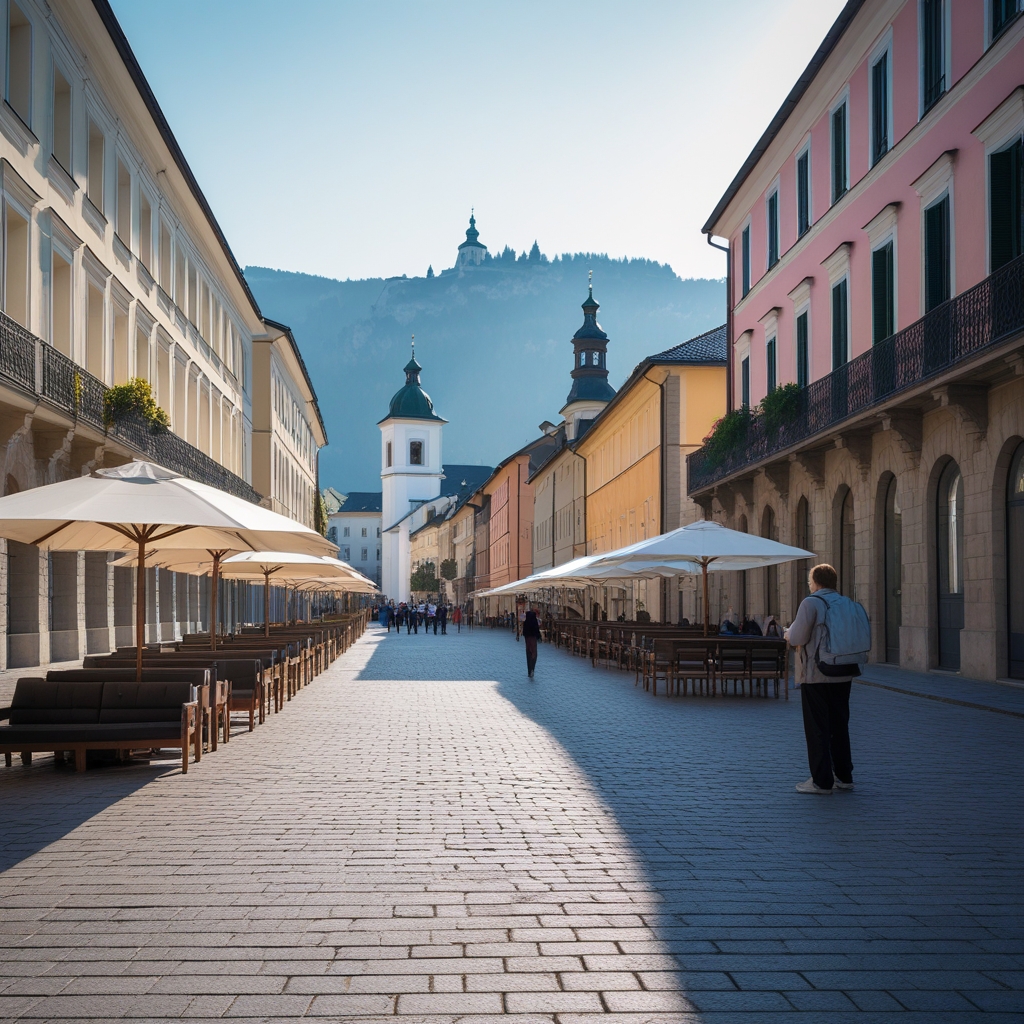
Nestled along the banks of the Salzach River against a dramatic backdrop of alpine peaks, Salzburg offers a distinct blend of imperial history, Baroque architecture and musical heritage. For a first-time visitor, understanding how the city is laid out makes navigating its compact streets far simpler. Whether you are drawn to its medieval alleyways, sprawling palaces, or the legacy of Mozart, taking time to learn the basics of local transit and neighborhood layouts ensures a smooth journey from arrival to departure.
Understanding the City Layout and Key Neighborhoods
Salzburg is naturally divided by the Salzach River into two primary historic areas. On the left bank sits the Altstadt, or Old Town, characterized by narrow medieval lanes, grand squares, and historic churches. This is where you will find many of the city's most famous architectural landmarks, bustling shopping streets like Getreidegasse, and the imposing fortress perched high above the rooftops.
Crossing the river via one of several pedestrian and vehicular bridges brings you to the right bank. This area features a more open, nineteenth-century urban design, elegant gardens such as Mirabell Palace, and quieter residential streets. Both banks are completely walkable, allowing travelers to move easily between historic sites and modern amenities without needing complex transportation strategies.
Navigating Public Transit and Getting Around
Public transportation in Salzburg is managed primarily by an extensive network of buses and trolleybuses operated by Salzburg Linie. These vehicles connect the central core with outer residential districts, the main railway station, and nearby regional attractions. Single tickets, multi-ride passes, and day cards can be purchased at station kiosks, via mobile apps, or directly on board from the driver, though having exact change or small bills is always recommended.
Walking remains the best way to experience the inner districts, particularly the pedestrian-only zones of the Old Town where vehicles are restricted. Cycling is also popular, with dedicated bike lanes running alongside the river and through various parks. For arrivals by train, the Salzburg Hauptbahnhof acts as the central hub, offering seamless connections to both urban bus routes and regional trains heading deeper into the surrounding countryside.
Must-See Landmarks and Cultural Highlights
The most prominent landmark dominating the skyline is Hohensatzburg Fortress, a massive medieval stronghold that has overlooked the city for centuries. Visitors can hike up the steep pathway or take a funicular railway to reach the ramparts, which provide panoramic views over the old rooftops and surrounding mountains. Below the fortress, the grand Salzburg Cathedral showcases striking Baroque architecture and deep historical roots.
Music enthusiasts frequently visit Mozart's Birthplace and his later residence, both of which operate as museums detailing the composer's life and work. Meanwhile, the sprawling Mirabell Palace and its immaculately manicured geometrical gardens offer peaceful walking paths and famous vistas that appear in numerous cinematic productions throughout film history.
Sampling Local Cuisine and Dining Culture
Traditional Austrian dining in Salzburg heavily features hearty comfort foods, seasonal ingredients, and regional specialties. Local eateries often serve roasted meats, dumplings, and fresh freshwater fish sourced from nearby alpine lakes. Bakeries and cafes are integral to daily life, providing a relaxed environment to enjoy traditional pastries alongside coffee.
Sweet treats are particularly famous here, most notably the Mozartkugel, a spherical confection made of pistachio, marzipan, and nougat covered in dark chocolate. Traditional beer halls and historic taverns also dot the city, offering hearty fare paired with locally brewed lagers and ales in rustic, communal settings.
Practical Planning and Seasonal Weather Considerations
Salzburg experiences distinct four-season weather patterns. Summer brings warm days and lively cultural events, though it also attracts the highest volume of international visitors. Spring and autumn offer milder temperatures and smaller crowds, making them ideal times for leisurely sightseeing. Winters can be quite cold, frequently bringing snow to the surrounding hills and a festive atmosphere to the city squares during the holiday season.
When packing, comfortable walking shoes are essential due to the cobblestone streets found throughout the historic center. Bringing layers of clothing allows you to adapt quickly to changing alpine weather conditions, especially if you plan to venture up into the surrounding hills or visit higher viewpoints where temperatures can drop noticeably.
Conclusion
Planning a first trip to Salzburg involves balancing visits to grand imperial monuments with quiet moments exploring traditional cafes and riverside pathways. By understanding the city's pedestrian-friendly layout, familiarizing yourself with local bus networks, and keeping an eye on seasonal weather patterns, you can create a balanced and memorable itinerary that captures the true essence of this historic alpine destination.