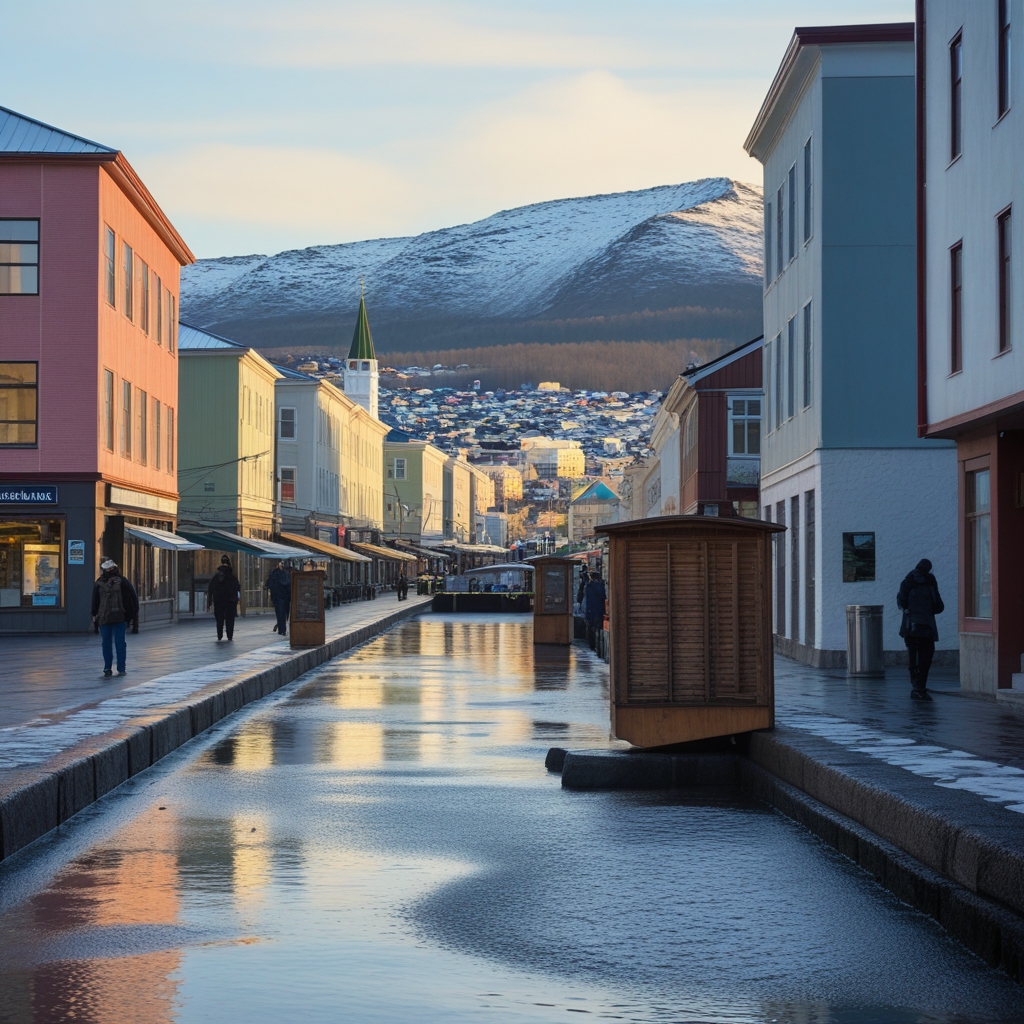
Nestled along the coastline of Faxaflói Bay, Reykjavik serves as the compact and creative anchor for any journey to Iceland. Surrounded by dramatic mountains and vast ocean vistas, the world's northernmost capital blends colorful neighborhoods with modern design, maritime history, and an accessible layout that welcomes newcomers. First-time visitors will find that the city functions less like a sprawling metropolis and more like a collection of walkable villages, making it approachable even on a short timetable. Understanding the basic geography, local transit options, and essential sights will ensure your trip gets off to a smooth start before you venture into the wider countryside.
Navigating Central Neighborhoods
The core of Reykjavik is relatively compact, allowing travelers to explore most downtown districts entirely on foot. The heart of the city centers around the postal code 101, where bustling streets are lined with independent cafes, clothing boutiques, and street art.
To the west, the older residential quarters feature quiet lanes bordered by corrugated iron houses painted in vibrant hues. Walking toward the waterfront brings you past the harbor area, where commercial fishing boats share space with whale-watching vessels and modern architectural landmarks.
Understanding Public Transit and Getting Around
While downtown Reykjavik is built for walking, getting to sights slightly further afield or transferring between districts relies on the municipal bus network, known locally as Strætó. The bright yellow buses operate comprehensive routes across the capital region, connecting residential hubs with major shopping centers and cultural institutions.
Tickets can be purchased via a dedicated mobile application or paid directly using exact change in local currency on board. For visitors planning extensive travel outside the city center toward surrounding towns or regional transit hubs, renting a vehicle is often more practical than relying solely on municipal bus schedules.
Major Landmarks and Cultural Sights
The city skyline is anchored by Hallgrímskirkja, a Lutheran parish church whose striking stepped concrete facade mimics the geometric basalt columns found throughout Iceland's volcanic nature. Visitors can take an elevator to the tower for panoramic views across the colorful rooftops and surrounding mountains.
Down by the harbor stands Harpa Concert Hall, a masterpiece of glass and steel that reflects both the ocean water and the shifting northern sky. Along the shoreline, the Sun Voyager sculpture offers a quiet spot to gaze across the bay toward Mount Esja while considering the maritime history of the region.
Local Dining and Cafe Culture
Reykjavik boasts a thriving food scene rooted in fresh seafood, locally sourced lamb, and greenhouse-grown produce. Downtown streets are packed with everything from casual bakeries serving traditional pastries to upscale dining establishments highlighting modern interpretations of Nordic cuisine.
Cafe culture is deeply ingrained in daily local life. Ducking into a warm coffee shop offers a welcome respite from chilly weather, providing a chance to sample local roasts while planning your afternoon itinerary.
Weather Patterns and Seasonal Considerations
Weather in Reykjavik is famously dynamic and can shift rapidly within the span of a single afternoon. Coastal winds and changing cloud cover mean that travelers should always pack layers, including windproof and waterproof outerwear, regardless of the time of year.
Summer brings long daylight hours, allowing for late-night strolls under the midnight sun, while winter offers shorter days and the chance to spot the aurora borealis when conditions permit. Checking official weather forecasts and road conditions daily remains essential for any travel plans.
Practical Planning and Etiquette
Cash is rarely required in Iceland, as card payments are accepted almost universally, even for small purchases like a single bus ticket or cup of coffee. English is widely spoken throughout the capital, making navigation and communication straightforward for international visitors.
When visiting local geothermal swimming pools—a staple of Icelandic daily life—strict hygiene rules apply before entering the water. Taking time to understand these simple local customs ensures a respectful and enjoyable experience throughout your stay.
Conclusion
Preparing for a trip to Reykjavik becomes much simpler once you grasp its manageable layout, reliable transit options, and distinct neighborhood charms. By balancing urban exploration around the downtown core with realistic expectations regarding shifting weather and seasonal daylight, you can build a flexible itinerary that sets the stage for a memorable Icelandic adventure.