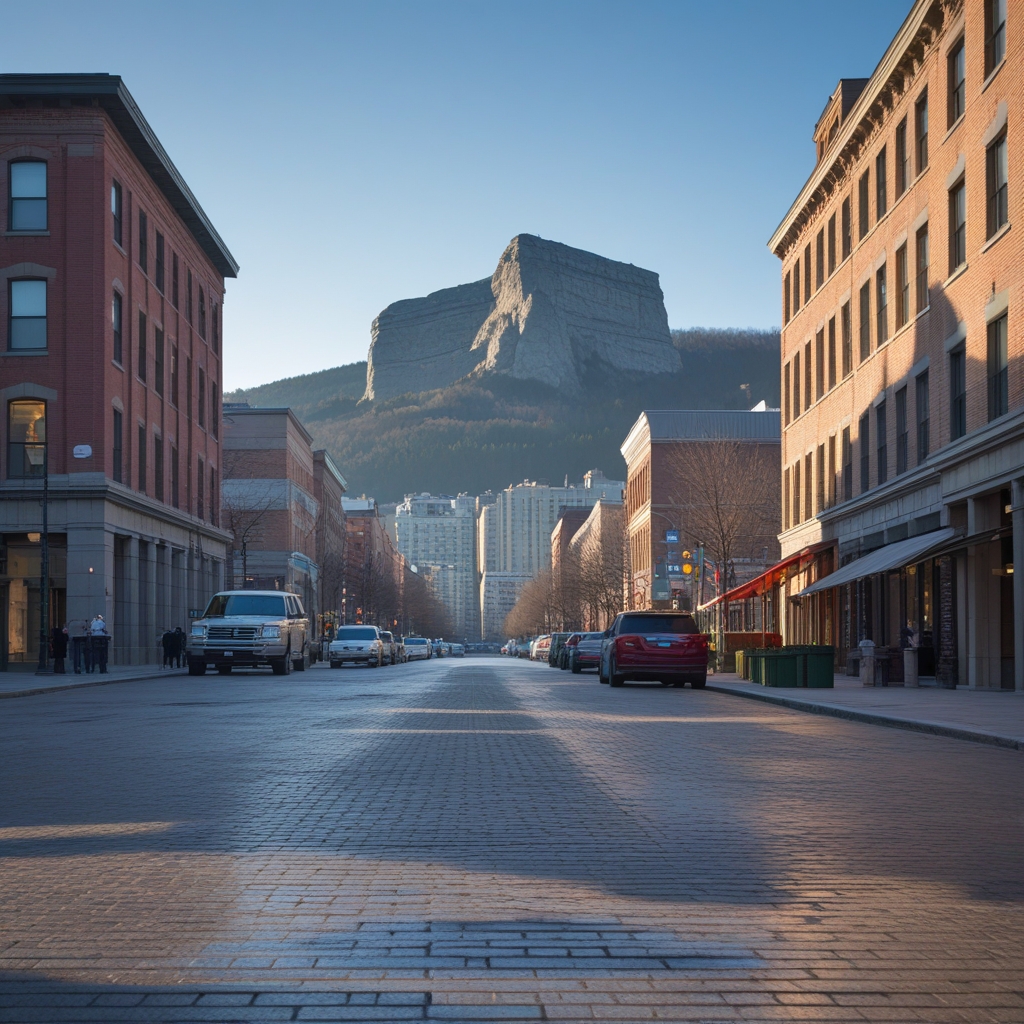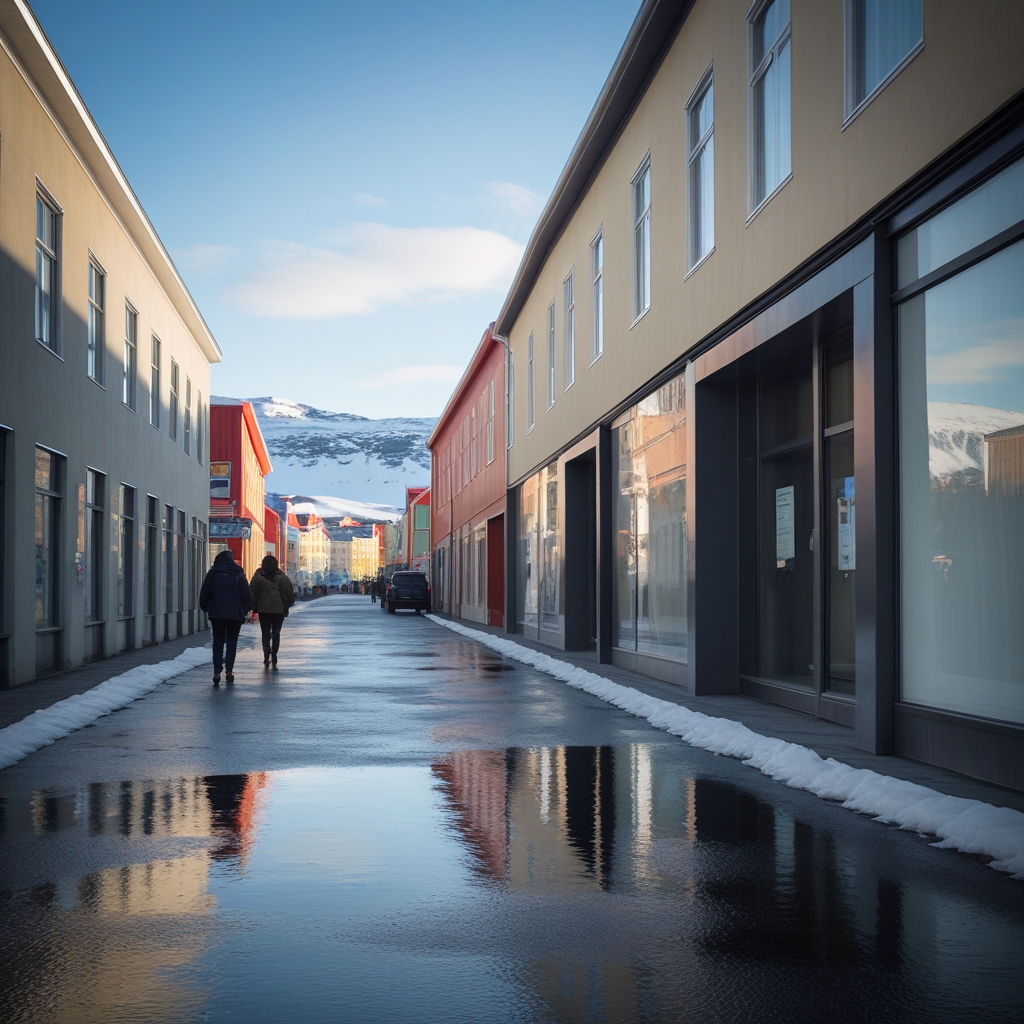
Nestled on the edge of Faxaflói Bay, Reykjavik serves as the colorful cultural and political gateway to Iceland. Unlike sprawling European capitals, this coastal city feels more like a collection of intimate neighborhoods, where corrugated iron houses painted in bright shades of turquoise, red, and yellow stand shoulder-to-shoulder with striking modern architecture. For a first-time visitor, understanding the city's compact layout makes exploring seamless and rewarding.
Preamble planning for Reykjavik requires recognizing that the city is best approached at a relaxed pace. While it functions as a launchpad for dramatic natural landscapes like waterfalls, geysers, and black sand beaches, the capital itself offers a rich mix of museums, geothermal public pools, and a thriving culinary scene. Knowing how to navigate local transit, prepare for sudden weather shifts, and distinguish between residential pockets and busy tourist zones will set the foundation for a smooth journey.
Navigating Reykjavik Neighborhoods
Reykjavik is divided into distinct postal codes and districts, each offering a different atmosphere for travelers. Midbær, the downtown core, is the historic heart of the city and where most first-time visitors spend the majority of their time. It encompasses bustling shopping streets, art galleries, and countless cafes, making it entirely walkable from end to end.
Just east of the center lies Hlemmur and the surrounding Laugavegur commercial strip, a vibrant area transitioning from retail hub to trendy residential neighborhood. Further out, Vesturbaer offers a quieter, residential coastal vibe favored by local families, while Laugardalur acts as the green recreational hub, housing the city's largest geothermal swimming pool and botanical gardens.
Getting Around Without a Car
Within the central districts, walking is the absolute best way to experience Reykjavik. The streets are pedestrian-friendly, and major landmarks sit within close proximity to one another. Sidewalks are well-maintained, though sturdy footwear remains essential due to changing weather conditions.
For journeys outside the immediate center, the Strætó public bus network operates city-wide routes. Tickets and day passes can be managed through their official mobile application, though exact cash is traditionally accepted on board as well. Taxis are widely available near major hotels and designated downtown stands, while ride-hailing apps may vary in availability depending on current local regulations.
Major Landmarks and Cultural Sights
The city skyline is anchored by Hallgrimskirkja, a Lutheran parish church whose striking stepped concrete facade draws inspiration from the columnar basalt formations found in Iceland's volcanic nature. Visitors can take an elevator to the top of the tower for panoramic views across the colorful rooftops and surrounding mountains.
Along the waterfront, Harpa Concert Hall gleams with its geometric glass panels designed to capture and reflect the shifting northern light. Nearby, the Sun Voyager sculpture offers a peaceful spot by the shore to contemplate the ocean and distant peaks. Museums such as the National Museum of Iceland and the Reykjavik Art Museum provide deep dives into local history and contemporary Nordic creativity.
Understanding Weather and Seasonality
Icelandic weather is famously dynamic, earning the local saying that if you do not like the weather, you only need to wait five minutes. Conditions can shift rapidly from bright sunshine to sudden rain or brisk wind within the same afternoon, regardless of the season.
Summer brings the midnight sun, offering endless daylight for exploring late into the evening, while winter brings short daylight hours accompanied by the possibility of witnessing the aurora borealis dancing across the night sky. Packing in versatile layers is non-negotiable for any visitor aiming to stay comfortable outdoors.
Local Food Culture and Dining
Reykjavik's culinary scene blends traditional Nordic ingredients with global influences. Fresh seafood, including Arctic char, cod, and langoustine, forms the backbone of many local menus, alongside high-quality lamb raised on free-range pastures.
Casual dining options range from cozy bakeries serving flaky pastries and rye bread ice cream to street food staples like traditional hot dog stands. Visitors should note that tap water in Reykjavik is exceptionally clean, pure, and cold, eliminating the need to purchase bottled water during their stay.
Practical Planning and Etiquette Tips
Cash is rarely needed in Iceland, as contactless credit and debit cards are accepted universally, even for minor purchases like a single bus ticket. Familiarizing yourself with local customs—such as thoroughly showering without swimwear before entering public geothermal pools—ensures a respectful and smooth cultural experience.
Always check official sources for up-to-date transportation schedules, seasonal pool hours, and weather warnings before heading out on daily excursions, as conditions can change rapidly throughout the year.
Conclusion
Exploring Reykjavik for the first time combines the charm of a walkable Nordic town with the rugged backdrop of Iceland's wild geography. By understanding the layout of the central neighborhoods, mastering simple public transit options, and dressing properly for unpredictable weather, you can approach your trip with confidence and make the most of your time in the capital.