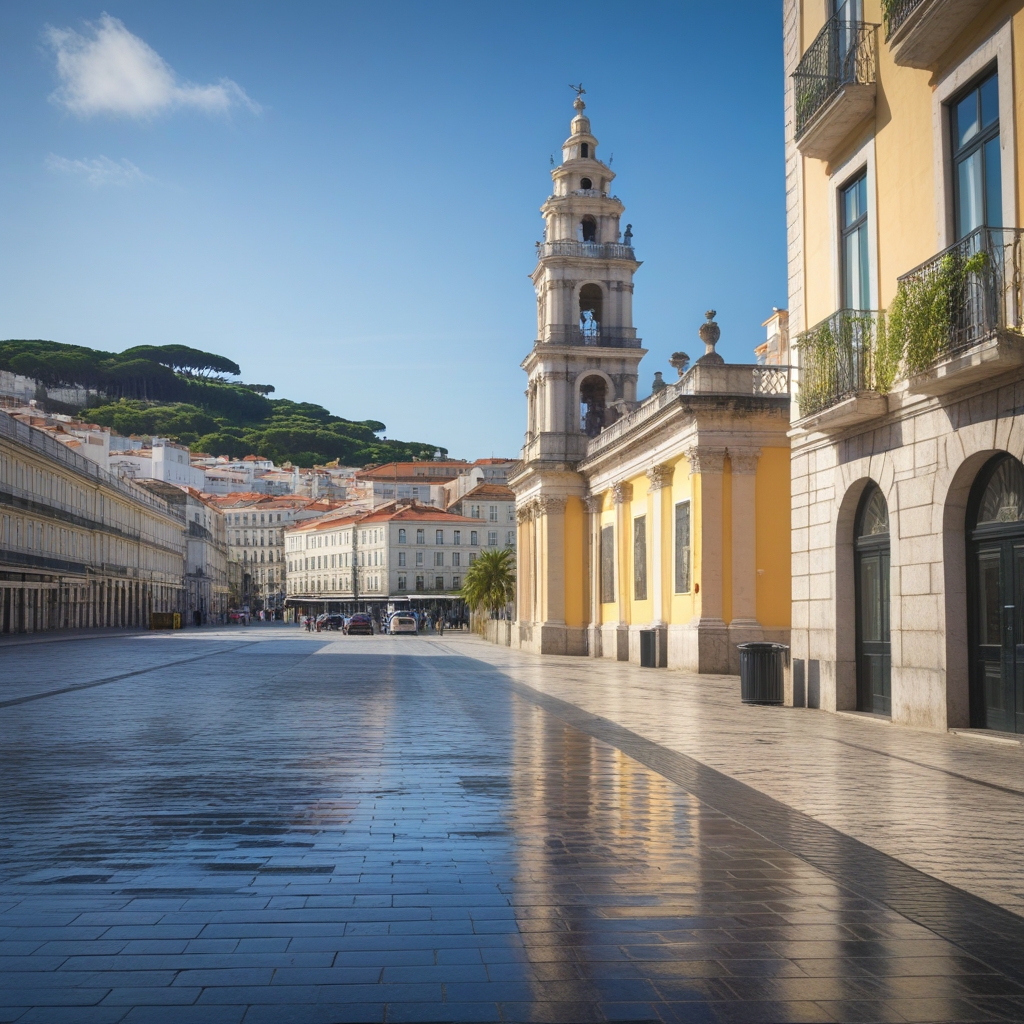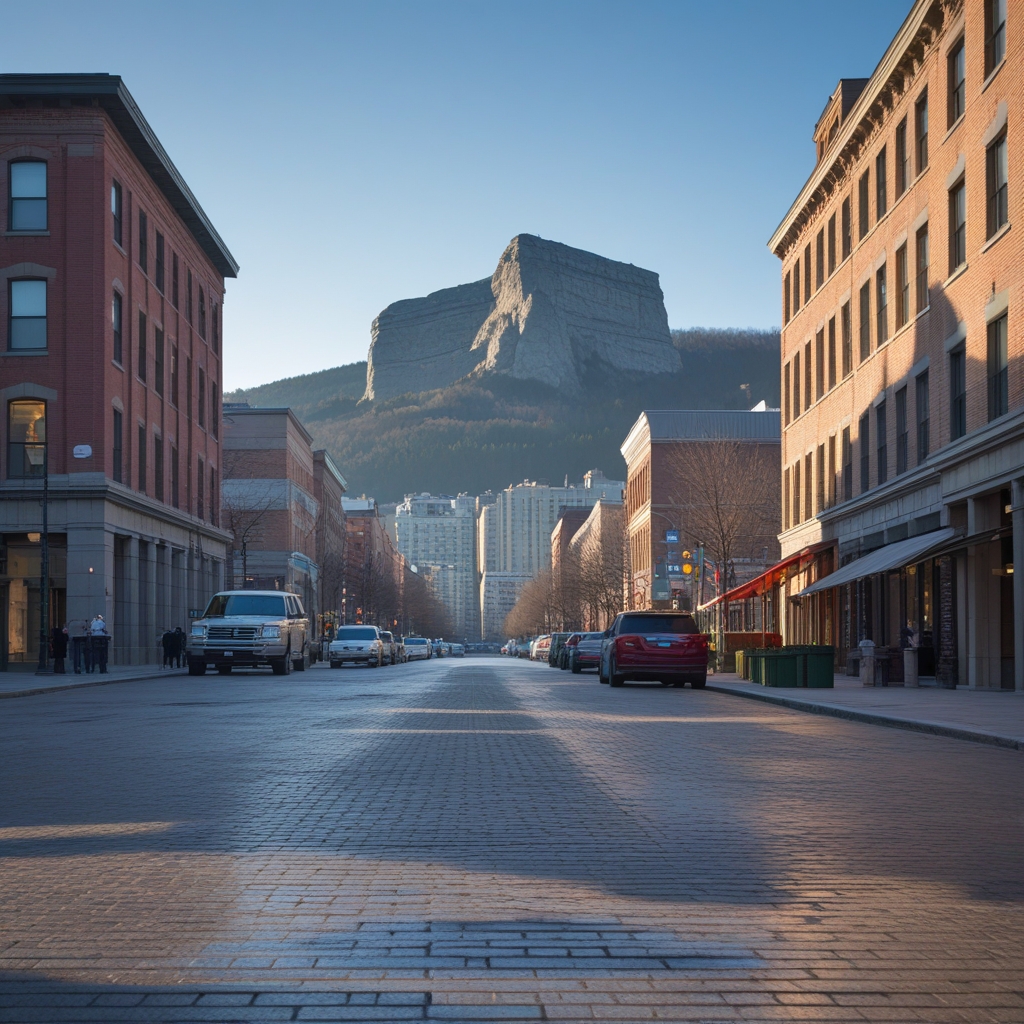
Montreal stands as a vibrant metropolis where North American energy meets European architecture, making it a distinct destination for first-time travelers. Situated in the province of Quebec, the city offers a fascinating bilingual culture, cobblestone historic streets, and sprawling green spaces that shift dramatically through the changing seasons. Whether you plan to spend your time exploring museums, sampling local culinary staples, or wandering through distinct urban quarters, understanding the layout of the city will help you navigate your journey with ease.
Planning a trip here involves balancing visits to historical landmarks with everyday neighborhood strolls. The city is generally accessible and welcoming, though having a grasp of transit options, basic local customs, and seasonal weather patterns will ensure a smooth experience. This guide breaks down the essential areas, transit systems, major attractions, and practical tips to help you make the most of your first visit.
Understanding the City Layout and Key Neighborhoods
Montreal is an island city divided into several distinct neighborhoods, each offering its own character and atmosphere. Old Montreal serves as the historical heart of the city, featuring 17th-century stone buildings, narrow cobblestone streets, and proximity to the Old Port along the Saint Lawrence River. It is a dense area best explored entirely on foot.
Just north of downtown lies the Plateau Mont-Royal, known for its colorful row houses, iconic exterior spiral staircases, and vibrant arts scene. Adjacent to it is Mile End, a creative hub famous for indie cafes and legendary bagel shops. Downtown Montreal, centered around Sainte-Catherine Street, serves as the commercial core with high-rise buildings, underground shopping networks, and major cultural institutions.
For a different pace, visiting the neighborhood of Griffintown offers a glimpse into the city's industrial past transformed into modern residential blocks and trendy eateries. Meanwhile, Little Italy and the adjacent Jean-Talon Market provide a bustling, multicultural atmosphere centered around fresh local produce and Italian heritage.
Navigating Public Transit and Getting Around
The Société de transport de Montréal operates an efficient and straightforward public transit system consisting of an underground metro network and an extensive bus grid. The metro features four color-coded lines that connect major residential neighborhoods, downtown shopping hubs, and key tourist attractions quickly. Purchasing a multi-day pass or a reloadable card can simplify fare payments throughout your stay.
Walking remains one of the best ways to experience individual neighborhoods, particularly in Old Montreal, the Plateau, and downtown. During colder winter months, much of downtown pedestrian traffic moves underground into the Réso, a vast subterranean network of tunnels connecting shopping centers, office towers, and metro stations.
Biking is also exceptionally popular, with the BIXI public bike-sharing system operating extensive lanes across the city from spring through autumn. Taxis and rideshare services are widely available throughout the urban core for trips where public transit is less direct.
Major Sights and Cultural Landmarks
First-time visitors will find no shortage of iconic sights to explore across the city. In Old Montreal, the imposing Gothic Revival architecture of Notre-Dame Basilica draws travelers from around the world, while the nearby Pointe-à-Callière museum offers deep insights into the city's archaeological history.
Rising above the downtown core is Mount Royal Park, a sprawling green space designed by the same landscape architect behind New York City's Central Park. The park offers panoramic viewpoints of the skyline from the Kondiaronk Belvedere and serves as a central hub for outdoor recreation in all seasons.
Art and history enthusiasts can spend hours exploring the Montreal Museum of Fine Arts along the Golden Square Mile or visiting the Biosphere environmental museum located at Parc Jean-Drapeau. For science lovers, the Montreal Science Centre in the Old Port provides interactive exhibits suitable for various ages.
Local Food and Dining Culture
Montreal is widely celebrated as a premier culinary destination in North America, blending French gastronomic traditions with diverse international influences. Traditional comfort foods feature prominently, most notably poutine—a hearty dish of French fries, cheese curds, and hot gravy found at casual diners and specialized restaurants alike.
No culinary tour is complete without trying Montreal-style bagels, which are hand-rolled, boiled in honey-infused water, and baked in wood-fired ovens. Smoked meat is another legendary local specialty, typically served piled high on rye bread with yellow mustard at classic neighborhood delis.
Beyond traditional fare, the city boasts a thriving contemporary dining scene with innovative chefs operating everything from casual neighborhood bistros to high-end establishments. Exploring local public markets like Jean-Talon Market or Atwater Market provides a direct look at regional ingredients, cheeses, and baked goods.
Weather and Seasonal Planning
Montreal experiences four distinct seasons, each offering a completely different travel experience. Summers are warm and lively, marked by numerous outdoor street festivals, patio dining, and bustling public parks. Autumn brings striking fall foliage, particularly around Mount Royal and surrounding regional parks.
Winters are famously cold and snowy, transforming the city into a winter wonderland complete with outdoor skating rinks and winter festivals. Travelers visiting between December and March should pack heavy winter gear, including insulated boots, thermal layers, and wind-resistant outerwear.
Spring brings a gradual thaw and blooming flowers, though weather conditions can remain unpredictable with occasional rain or late-season snow flurries. Checking weather forecasts immediately before departure helps ensure you pack appropriate clothing for your specific travel dates.
Practical Tips and Cultural Etiquette
As the largest French-speaking city in the province of Quebec, French serves as the official language, though English is widely spoken in most hotels, shops, and restaurants. Learning a few basic French phrases such as hello and thank you is appreciated by local residents and enhances everyday interactions.
Canada operates on the Canadian Dollar, and card payments are accepted almost universally, though carrying a small amount of cash can be helpful for small independent vendors or market stalls. Tipping standard service in restaurants generally ranges between fifteen and twenty percent before taxes.
Safety standards in Montreal are generally comparable to other major North American urban centers, requiring standard travel precautions such as keeping an eye on personal belongings in crowded areas and using licensed transportation options at night.
Conclusion
Visiting Montreal for the first time offers a rewarding blend of historical exploration, cultural diversity, and culinary discovery. By familiarizing yourself with the distinct neighborhood layouts, mastering the efficient public transit network, and keeping seasonal weather in mind, you can approach your journey with confidence. Take time to wander the cobblestone lanes of the old quarter, sample regional specialties, and enjoy the distinct atmosphere that defines this dynamic Canadian city.