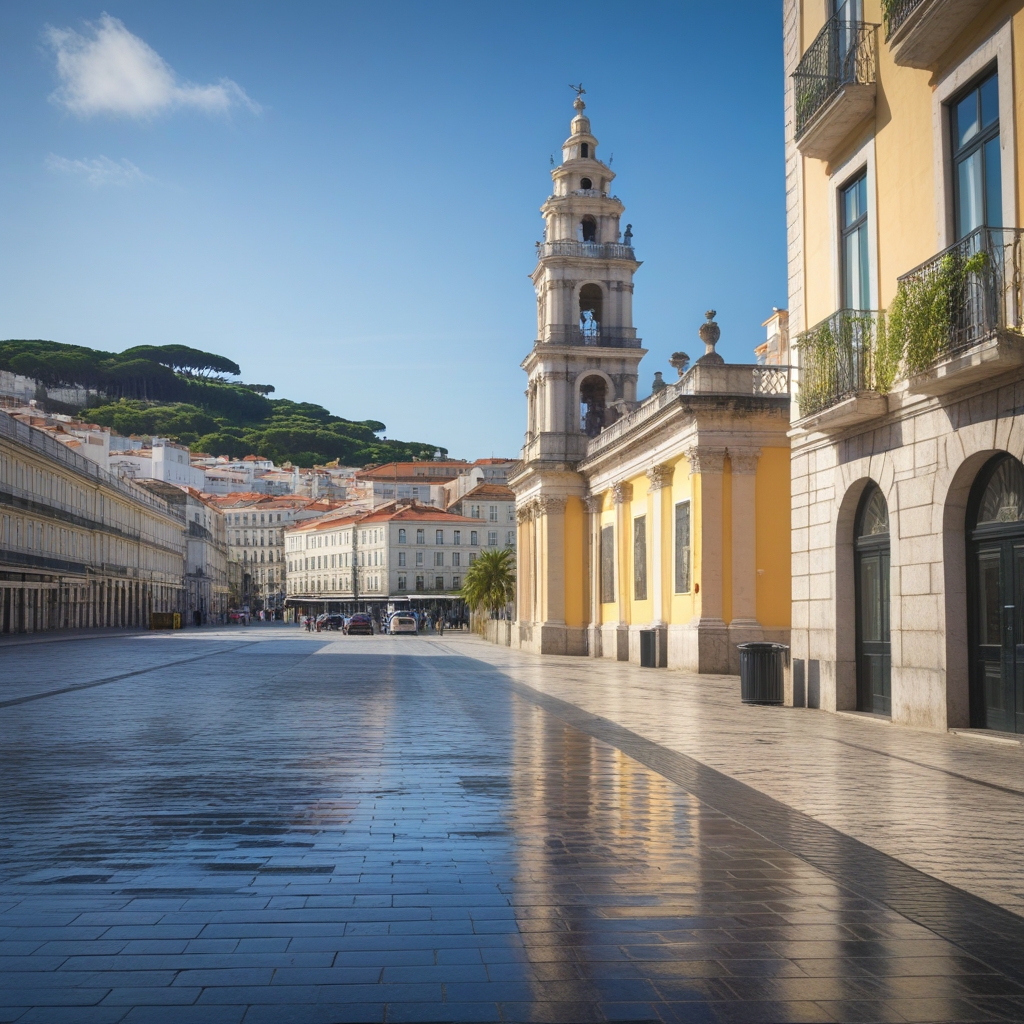
Perched on seven distinct hills overlooking the wide expanse of the Tagus River, Lisbon presents a captivating blend of maritime heritage and modern European energy. The city welcomes travelers with its pastel-colored buildings, intricate hand-painted ceramic tiles, and a relaxed pace of life that encourages wandering on foot. For a first-time visitor, understanding the sheer verticality of the terrain and the distinct character of each neighborhood is essential for a smooth journey.
Planning a trip here suits travelers who enjoy combining historical exploration with coastal scenery and culinary discovery. Before arriving, it helps to know that Lisbon is a city best experienced slowly, allowing time to navigate the historic staircases, listen to traditional fado music in candlelit taverns, and ride the classic vintage trams that rattle through the narrow streets.
Navigating the Historic Neighborhoods
Baixa serves as the flat, grid-patterned downtown core that rebuilt itself entirely after the great earthquake of seventeen fifty-five. It connects grand plazas like Praça do Comércio to lively pedestrian avenues lined with shops and cafes. Heading west leads you to Chiado and Bairro Alto, where upscale boutiques give way to steep lanes filled with bustling nightlife and historic viewpoints.
Further east lies Alfama, the oldest district in Lisbon. Retaining its maze-like medieval layout from Moorish times, Alfama is characterized by steep alleys, laundry-hung balconies, and hidden squares. Across town, Belém sits along the riverfront, housing grand monuments tied to the Portuguese Age of Discoveries, including the imposing Jerónimos Monastery and the iconic Belém Tower.
Understanding Public Transit and Getting Around
Getting around Lisbon relies heavily on an integrated network of metro lines, historic trams, funiculars, and suburban trains. The underground metro system is clean, straightforward, and efficient for traveling between major transit hubs and residential zones. Purchasing a reusable contactless card at any station ticket machine simplifies daily travel across buses and trains.
The iconic yellow trams, particularly tram twenty-eight, offer both a practical transit link and a popular sightseeing experience. However, because these cars get crowded with tourists, pickpocketing can occur in the tight spaces. Walking remains the best way to absorb the neighborhood details, though wearing sturdy footwear with good grip is mandatory given the slippery cobblestones.
Key Sights and Cultural Landmarks
A first visit naturally draws crowds toward landmarks like São Jorge Castle, which looms high above Alfama and offers sweeping panoramas across the red rooftops and the river. Down by the water, the imposing Padrão dos Descobrimentos honors the explorers who set sail from these shores centuries ago.
Museum culture thrives across the city, ranging from ancient art collections to contemporary exhibits at the MAAT along the riverfront. Visitors interested in traditional music can seek out small venues in Alfama or Madragoa where fado artists perform intimate acoustic sets accompanied by Portuguese guitars.
Local Food and Dining Culture
Dining in Lisbon revolves around fresh seafood, regional cheeses, and simple yet flavorful preparation. Grilled sardines, salt cod dishes known as bacalhau, and bifanas pork sandwiches form staples of traditional local eateries. Meals often stretch into leisurely social events accompanied by crisp regional wines or green wine.
No trip is complete without trying pastel de nata, the iconic custard tart with a caramelized crust and flaky pastry layers. While famous bakeries in Belém draw long queues, neighborhood pastelerias across the city serve equally delicious versions alongside morning espresso.
Weather Patterns and Best Times to Visit
Lisbon enjoys a Mediterranean climate characterized by mild winters and warm, sunny summers. Spring and autumn offer the most comfortable temperatures for walking the hills without the intense midday heat typical of July and August.
Winter brings cooler, rainier days, but also smaller crowds and lower accommodation rates. Travelers visiting during the shoulder seasons should pack layers, as ocean breezes can cool the air quickly once the sun dips behind the hills.
Practical Etiquette and Common Mistakes
Local culture values polite greetings such as bom dia during morning hours and boa tarde in the afternoon when entering shops or restaurants. Tipping is generally modest compared to North American standards, usually involving rounding up a bill or leaving a small cash amount for good table service.
A common mistake among first-time visitors is underestimating the physical strain of walking up and down steep cobblestone streets all day. Planning lighter itineraries that balance walking with rides on historic funiculars or elevators helps prevent fatigue and lets you enjoy the city at a comfortable pace.
Conclusion
A first journey to Lisbon rewards travelers who embrace its unhurried rhythm, steep topography, and rich maritime heritage. By familiarizing yourself with the distinct personality of each neighborhood, utilizing the reliable public transit system, and pacing your daily sightseeing, you can experience the city with confidence and ease. Always check official transport and attraction schedules before your departure to ensure smooth planning.