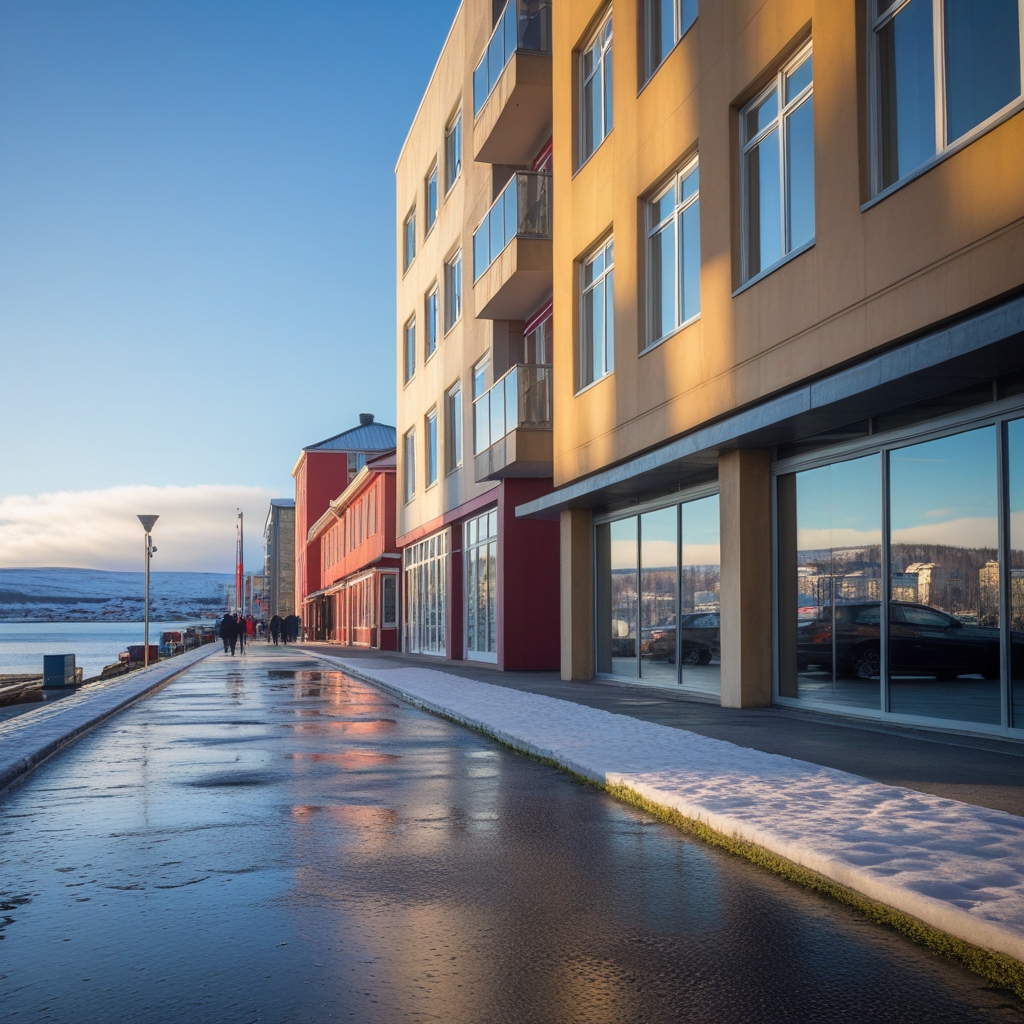
Sitting near the edge of the Arctic Circle, Reykjavik offers a striking blend of colorful corrugated-iron architecture, modern design, and a dramatic coastal landscape. As the northernmost capital in the world, it serves as both a cultural hub and the primary gateway for exploring Iceland’s vast natural wonders. While many travelers use the city merely as a staging ground for ring-road adventures, spending a few days within the capital reveals a dynamic community defined by vibrant arts, geothermal pools, and a walkable downtown core. Planning your first journey here requires understanding how to navigate the city layout, managing shifting weather patterns, and knowing what to expect from local logistics.
Navigating Reykjavik Neighborhoods
Reykjavik is a compact city made up of distinct districts, each offering a different atmosphere for visitors. Miðbær, or the downtown area, is the historical heart where you will find the main shopping streets like Laugavegur, Skólavörðustígur, and Bankastræti. This zone is packed with independent boutiques, cafes, and museums, making it the most convenient place to base yourself if you want to explore on foot.
Just east of the center lies Laugardalur, a greener residential neighborhood known for its massive family park, botanical gardens, and the city's largest geothermal thermal pool complex. Further out, areas like Vesturbær offer a quieter, local neighborhood feel close to the old harbor and swimming spots like Grímsstaðaholt. Understanding these spatial divisions helps you choose accommodation that matches your preferred pace of travel.
Major Landmarks and Cultural Sights
The city’s skyline is anchored by Hallgrímskirkja, a Lutheran parish church whose striking stepped concrete facade was inspired by the basalt lava flows found throughout Iceland. Visitors can take an elevator up to the tower for panoramic views across the colorful rooftops and surrounding mountains. Down by the waterfront, the Sun Voyager sculpture provides a striking silhouette against Faxaflói bay.
For modern architecture and performing arts, the Harpa concert hall stands out with its shimmering glass geometric panels that reflect the changing northern light and harbor waters. Cultural enthusiasts will also find numerous smaller institutions nearby, including the National Museum of Iceland and the Reykjavik Art Museum, which chronicle the nation's history from settlement to contemporary creative expression.
Public Transit and Getting Around
Reykjavik is exceptionally pedestrian-friendly, and walking remains the best way to experience the central downtown streets. Sidewalks are generally well-maintained, though sturdy footwear is essential year-round to handle sudden changes in weather and uneven paving stones.
For destinations beyond the central core, the public bus system, known as Strætó, operates frequent routes across the capital region. Tickets can be purchased using a mobile app or exact change onboard, though drivers do not give change. Taxis are widely available but tend to be expensive. Many visitors also opt to rent a car only when leaving the city, as parking in downtown Reykjavik can be limited and subject to hourly fees.
Weather and Seasonal Realities
The weather in Reykjavik is famously changeable, often summarized by the local saying that if you do not like the weather, wait five minutes. Maritime conditions bring shifting winds, sudden rain showers, and dramatic skies regardless of the calendar month. Packing in layers with windproof and waterproof outer shells is essential for any season.
Summer brings the midnight sun, offering nearly 24 hours of daylight for sightseeing and extended exploration. Conversely, winter delivers short daylight hours accompanied by cold temperatures, icy streets, and the distinct possibility of catching the aurora borealis dancing across the night sky on clear evenings. Checking local weather and road condition websites daily is a critical habit for any visitor.
Local Dining and Cafe Culture
Reykjavik has a thriving culinary scene that extends far beyond traditional fare. Local staples heavily feature fresh seafood, such as Arctic char and cod, alongside high-quality lamb raised on free-range pastures. Bakeries are a cornerstone of daily life, offering freshly baked pastries, sourdough breads, and sweet treats like snúðar.
The city also boasts a robust coffee culture, with independent roasters scattered throughout the downtown grid. Dining out can be a significant expense due to import costs and local taxes, so balancing sit-down meals with casual bakery lunches or grocery store provisions is a common strategy for managing travel budgets.
Common Visitor Mistakes to Avoid
First-time visitors often make the mistake of underestimating Icelandic wind and cold, stepping outside without proper waterproof layers even on seemingly bright mornings. Another frequent oversight is assuming credit cards are unnecessary; Iceland is a nearly cashless society where even minor purchases are paid by card.
Travelers should also remember that tipping is not customary in Iceland, as service charges are included in menu prices. Finally, respect local etiquette by removing shoes when visiting certain indoor spaces or geothermal facilities, where showering thoroughly without swimwear before entering communal pools is strictly enforced.
Conclusion
Approaching Reykjavik with an understanding of its neighborhoods, transit options, and environmental quirks ensures a smooth and enjoyable introduction to Iceland. By taking time to wander the colorful streets, sample local cafes, and respect the unpredictable climate, you will experience the distinct character that sets this northern capital apart. Always verify current transit schedules, weather forecasts, and opening hours through official sources before setting out on your daily excursions.